Designing a Pasadena Patio: Blending Brick, Concrete, and Natural Stone Pavers
Pasadena patio areas do more than host a barbecue. They frame an Artisan deck, anchor a Mediterranean courtyard, and turn sunlit corners into comfortable, year round rooms. When a patio blends brick, concrete, and natural stone pavers with care, it acquires the character of your home and the San Gabriel foothills, not a catalog. The goal is to make every material make its location, from the first string line in the dirt to the last sweep of polymeric sand.
I have actually invested enough early mornings on Pasadena task sites to know that sites, not simply sketches, dictate the best outdoor patio design. The city's mix of soils, frequently a loamy leading layer over clay pockets with occasional decomposed granite, reacts to water and weight in ways you need to regard. Mature camphor and jacaranda roots, high grades behind older homes, and the bright, angled light in late afternoon all guide the information. A wise patio contractor listens to the backyard and to the architecture, then selects materials that look like they belonged there from the start.
How Pasadena's homes guide the palette
Most blocks hold a mix of Craftsman bungalows, mid century cattle ranches, and Spanish or Mediterranean revivals. Each design suggests a different lead product and accents:
- Craftsman and cottage streets like Madison Heights lean toward warm brick pavers with charcoal or basalt stone borders. Recovered reds and wire cuts echo chimney and patio details.
- Mediterranean and Spanish revival homes get sharpened or toppled natural stone pavers like limestone, travertine, and porphyry. Narrow grout lines and soft edges match arches and stucco.
- Mid century cattle ranches and more recent builds frequently shine with concrete pavers in big formats. Clean joints and interlocking pavers in stacked bonds enhance horizontal rooflines.
Notice how the lead material changes, but borders and inlays often cross over. A brick soldier course can frame concrete just as well as it frames flagstone. That is the mix that produces a custom appearance, not a theme park.
What to anticipate from each material on Pasadena soil
It is simpler to talk truthfully about trade offs when you have actually brought up a stained paver after the very first winter season. Sun, watering overspray, and clay soils test everything.
- Brick pavers hold color all the method through, which matters if you sandblast, push wash, or capture a nick while moving a grill. They are smaller sized and much heavier per square foot than lots of concrete pavers, so they lock beautifully in herringbone or basketweave. They can heat up aesthetically on bright stucco backdrops, so utilize a cool border or gray joint sand if you desire balance.
- Concrete pavers can be found in near unlimited shapes and surfaces, from modern pieces to classic tumbled cobbles. Interlocking pavers stand out on driveways and outdoor patios that will see furniture dragged around or occasional heavy shipments. Quality varies. Dry cast units with iron oxide pigments last longer than surface colored budget alternatives. Anticipate some efflorescence early on, which fades or can be treated.
- Natural stone pavers bring irregular appeal no factory can copy. Basalt, porphyry, and granite carry out best under chairs and table legs, while softer limestones need thoughtful sealing and chair pads. Thickness can vary, so plan your bedding layer to secure those distinctions and prevent a toe stub.
If you are blending, keep the surface textures suitable underfoot. A smooth refined stone framed by heavily tumbled concrete appearances mismatched and moves badly under a dining chair. I try to keep coefficients of friction in the same community, especially around swimming pools and outside kitchens.
The base, not the brochure, chooses longevity
A patio area is only as good as its hidden layers. Pasadena's clay lenses swell when damp, then shrink in August heat. That movement will telegraph to the surface unless the base is constructed to ride it out. For the majority of standard outdoor patios, I search for these principles:
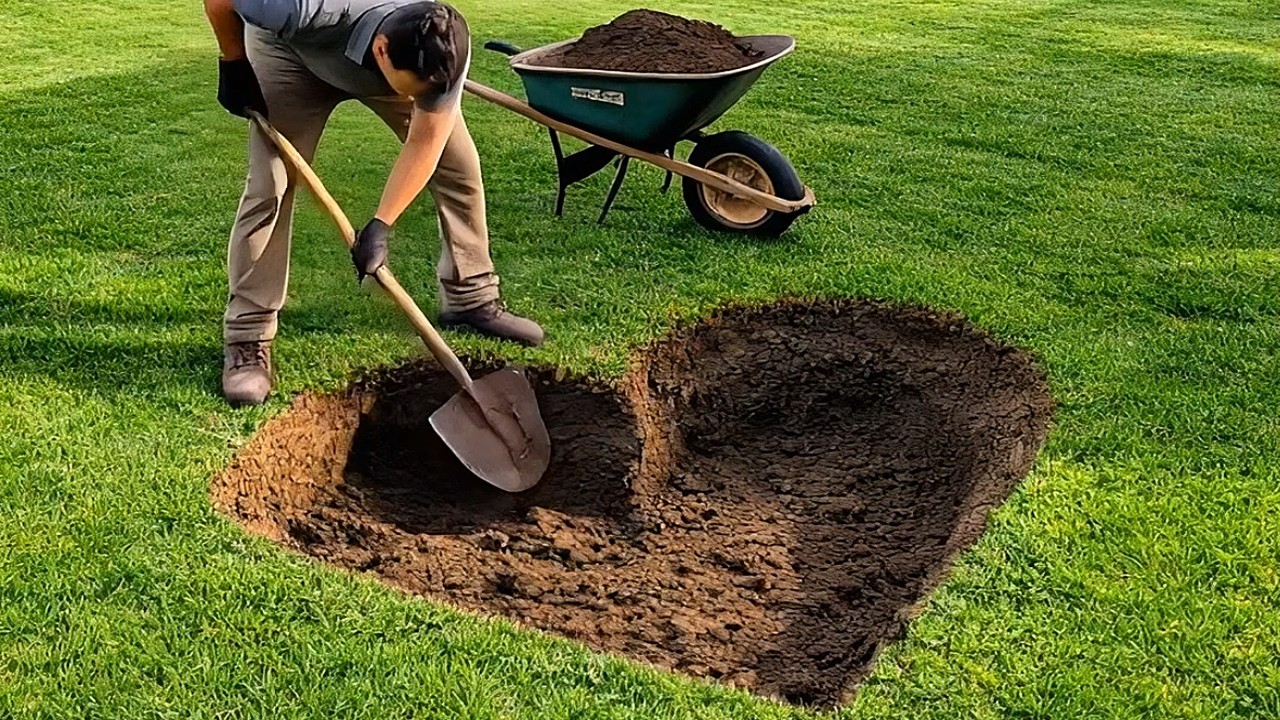
- Excavate to eliminate organics and reach stable subgrade. In older yards with rich planting soil, that can be 6 to 8 inches listed below finished grade for pedestrian outdoor patios, and 8 to 12 inches where vehicles or large islands might be included later.
- If the subgrade shows clay or mixed fill, install a woven geotextile to separate base rock from soil. It is cheap insurance against pumping and fines migration.
- Bring in a well graded, crushed aggregate base. A typical regional spec is 3 to 4 inches of Class II base compacted to a minimum of 95 percent relative compaction for a patio area, thicker if you are near a slope or preparing a heavy outside kitchen.
- Screed a 1 inch layer of bedding sand or great gravel. On sloped websites or where permeability matters, I will change to open graded chip over an open graded base, particularly under permeable interlocking pavers.
- Compact in thin lifts with a plate compactor, check slopes, then set pavers. Edge restraint matters. Concrete haunching or a concealed aluminum edge keeps everything tight.
I have actually seen patio areas fail not because the paver was incorrect, but due to the fact that a contractor avoided the geotextile over clay, or laid bed linen sand too thick, or neglected watering leaks uphill of the work. Repairing drainage early is cheaper than re leveling an outdoor patio later.
Drainage and slope, the quiet partners
A great patio drains without anyone observing. Go for a consistent 1.5 to 2 percent fall away from structures. On longer runs, break the surface area into subtle airplanes to avoid an aggressive tilt that makes furnishings feel off. Where the backyard pitches towards your home, a trench drain at the threshold or a narrow catch basin along the base of a maintaining wall makes the distinction in between a crisp joint line and a moist efflorescence stain.
Permeable interlocking pavers are a genuine possession in parts of Pasadena with tight clay blended pockets. While you will not turn difficult clay into a sponge, an open graded base with underdrains alleviates hydrostatic pressure and keeps great sediments from cycling up into joints. Around mature oaks, the ability to let surface area water travel through the joints likewise helps root health.
The craft of mixing materials without visual noise
Mixing brick, concrete, and natural stone pavers does not indicate blending whatever. Pick a lead material, then add encouraging accents. Here are pairings that regularly look right in Pasadena:
- Brick field in 4 by eights laid in 45 degree herringbone, framed by a 6 by 9 charcoal concrete paver soldier course. The cool border squares up the warm reds and ties to gray window trim.
- Large format concrete pavers, state 24 by 24, with tight joints and a 12 inch natural stone band at a dining terrace. The band functions as a room divider and enables the concrete field to step in best modules around furniture.
- Porphyry or basalt natural stone pavers for a yard, with a single basketweave brick carpet near the entry or a fireplace hearth. It ideas a hat to the home's traditional masonry without subduing the stone.
Use inlays moderately. I have pulled out too many compass roses and checkerboards after the novelty diminished. A narrow header course where direction changes, or a subtle band to cue a path, lasts longer than trends and keeps the patio area design readable.
Joints, sand, and sealing decisions
Polymeric joint sand is a workhorse in outdoor patios that see wind or pressure cleaning, and in lawns with ground cover that tends to drop a lot of raw material. It locks the surface area, assists withstand ants, and sheds water. On natural stone with a little wider joints, I in some cases advise a versatile joint grout that cures to a rubbery texture and permits minor movement.
Sealing is a judgment call. Concrete pavers with a factory finish may not require it, and some sealers can include undesirable sheen. Natural stone often benefits from a penetrating breathable sealant that withstands oil and paver driveway Pasadena red wine stains in an outdoor kitchen area. Brick usually carries out well without a sealant, but an enhancer can deepen color if the patio area beings in full sun and looks washed out at twelve noon. Plan on light maintenance: sweeping, occasional rinsing, spot degreasing near grills, and topping off joints every couple of years.
Retaining walls that shape a usable yard
Many Pasadena lots step down from your home towards the back fence. You can either battle the slope with one giant cut, or terrace it with retaining walls that feel like garden furniture rather of infrastructure. For walls under a couple of feet, a dry stacked stone look complements pavers and allows drainage to weep naturally. Taller work shifts from landscape feature to engineered solution.
If you are planning retaining wall installation in Pasadena CA, start with how you utilize the lawn. A seat height wall, around 18 inches, frames a fire pit or separates a cooking zone from a play lawn. A 30 to 36 inch wall can double as a serving ledge. Stone retaining walls experts in Pasadena LA will talk as much about drain, geogrid reinforcement, and backfill as they do about the face veneer. That is the best conversation.
Creative block retaining walls in Pasadena can be dressed with natural stone caps, stucco to match the house, or smooth concrete for a modern-day edge. If the wall will exceed typical limits where authorizations or engineering are required, a retaining wall contractor in Pasadena will help you navigate regional standards. The common breakpoint is in the 3 to 4 foot variety depending on surcharge and location, however always confirm with the city and a certified engineer. Excellent drain fabric, clean backfill, and an appropriate footing keep a wall from telegraphing fractures into your new patio.
Walkways that connect the experience
An outdoor patio is just as good as the paths to and from it. Walkway installation need to obtain materials from the primary balcony so the path feels deliberate. Stone walkways under a tree canopy, with staggered joints to evade roots, move much better than rigid concrete in older lawns. Where a side backyard narrows, interlocking pavers in a running bond with a crisp border keep the eye forward and the hose pipe reel from snagging edges.
Homeowners typically browse Ridgeling outdoor living garden pathway ideas for inspiration, then improve those concepts on website. Keep path width in mind. Thirty six inches is comfy for the majority of pairs to stroll side by side, while a 42 to 48 inch path feels spacious near a lawn. Add subtle lighting, low initially step risers and along curves. Prevent a jumble of fixture designs that compete with your materials.

Outdoor kitchens, fireplaces, and fire pits, built to survive on pavers
Pasadena outside kitchen area ideas vary from a simple cart under a pergola to a complete masonry island with a pizza oven. The more mass you include, the more you ought to think of load circulation. If you are setting a stone or stucco island on pavers, treat it like a small building. Thicken the base, think about a concrete piece beneath the island footprint, or use much heavier gauge framing. Verify gas and electrical runs before compaction, not after you have actually laid the field.
Outdoor fireplace and fire pit installation on pavers is simple with the right underlayment. Keep clearances from walls and structures, plan drainage away from the fire location, and use caps that withstand thermal shock. For gas lines, a certified installer makes fast work of authorizations and pressure tests. For wood burning, check local ordinances and think about spark screens in locations with seasonal winds.
A practical product contrast at a glance
- Brick pavers: Classic color through body, strong in little formats, fantastic for Artisan and traditional homes. Needs thoughtful patterning to avoid visual busyness on big decks.
- Concrete pavers: Modular, expense effective across designs, reputable with interlocking systems. Watch for quality distinctions and early efflorescence.
- Natural stone pavers: Unique grain and texture, raises yards and entries. Prepare for sealing on soft stones and extra care in bedding to deal with thickness variation.
- Borders and inlays: Use to define rooms and shifts, not to reveal every pattern in the catalog. Select textures with comparable slip resistance.
- Jointing: Polymeric sand for tight joints and easy upkeep, versatile grouts for larger stone joints, and penetrative sealers where staining threat is high.
What it actually costs, and why varieties are honest
Numbers move with gain access to, slope, and product choice. In Pasadena, a well constructed paver patio typically lands in a range that shows genuine website conditions. Easier concrete paver installations on level backyards can be reasonably cost-effective per square foot. Natural stone with cut edges, radius work, and multiple bands or inlays increases labor and product costs. Retaining walls and outdoor cooking area utilities are their own line items. A reliable patio contractor lays out these ranges plainly and shows how to phase work if required. You can include a dining balcony this season, then a fire feature and seat wall next year without wrecking ended up work if the strategy is sound.
Patterns that bring weight and traffic
For dining and lounge areas, I prefer 45 degree herringbone in brick or concrete pavers when movement is heavy. It withstands racking from table legs and rolling carts. On contemporary tasks, large format pavers in running bond with wide joints develop calm. Prevent excessively direct patterns on long, narrow patios. An easy header course can break the tunnel appearance and create a pocket for a grill or chaise.
Where brick fulfills stone or concrete at a curve, cut clean radii with a saw and dry fit the whole course before setting. I once invested a day adjusting a single arc so that an easy chair would roll smoothly throughout the transition. That information, undetectable to most, made the space feel effortless.
Working with a professional who deals with the lawn like a system
The craft remains in the sequencing. Ridgeline Outdoor Living paver installation experts, and other skilled teams in the area, technique patio installation as part of an entire website plan. They start with drainage, energies, and subgrade, then move to walls and edges before touching the field. If a paver contractor jumps to patterns and colors without inquiring about watering lines, root zones, and where the afternoon wind presses leaves, keep looking.
A great patio contractor puts mockups on the ground, not simply in renderings. Seeing a 16 inch stone band beside a 24 inch format concrete paver in your actual light changes decisions. What looked moody in a showroom can read as heavy outdoors sun of a south facing yard near the Arroyo.
An easy pre construct list to remain on track
- Confirm grades, drainage courses, and where water will go in a significant storm before purchasing a single pallet.
- Select a lead material and one accent at many, then test joint sand colors on site.
- Mark utilities, plan gas and electrical runs for cooking areas and fire functions, and rough in sleeves.
- Choose edge restraint approaches at the design stage to prevent last minute compromises along planters or lawn.
- Establish an upkeep strategy, including sealing decisions and a joint sand revitalize timeline.
Local details that make a difference
Pasadena's environment spares you deep freeze thaw cycles, however Santa Ana winds can drive fines out of wide open joints and push leaf litter into every crevice. If your yard sits under jacarandas, a somewhat narrower joint with polymeric sand will conserve weekends in June. If irrigation overspray is inevitable along a stucco wall, set the outdoor patio edge a few inches off the wall and add an ornamental gravel strip with a drip line. It keeps the base drier, minimizes staining, and lets the stucco breathe.
Tree roots shape a lot of outdoor patios here. When you should take a trip near a trunk, drift the surface with more flexible bedding and think about a root bridging panel. Prevent cutting structural roots on oaks and other protected types. The patio area needs to adapt to the tree, not the reverse.
When retaining walls and patio areas satisfy the residential or commercial property line
Older lots frequently have narrow obstacles. A low retaining wall near a limit changes grading and neighbor overflow. Bring a retaining wall contractor in Pasadena into the conversation early. Step the wall where it approaches the line, include weep holes or drain outlets in places that do not discard onto a next-door neighbor path, and coordinate fences so posts land where wall blocks can accept them. Innovative block retaining walls in Pasadena areas typically incorporate a cedar or steel fence directly on top of the wall with concealed posts set into the core. It looks tidy and conserves space.
Integrating lighting and watering without clutter
Outdoor living fails when wires and drip lines seem like afterthoughts. Pre channel under the outdoor patio for future lighting, even if you are only setting up a few path lights now. Set sleeve pipelines where you believe you will desire planter watering later. You might change planting plans, however having a concealed path keeps you from raising pavers in 2 years. Low, warm lighting along seat walls and at action edges checks out as architecture rather than include on.
The long view, five and ten years out
Well constructed paver outdoor patios handle Pasadena's seasons with grace. Expect to top up joints in 2 to 4 years depending upon wind and sweeping practices. Stone will mellow and get a patina, specifically near water functions. Brick will show history, which is half the beauty. If you have sealed natural stone around a grill, plan to refresh the sealant at periods recommended by the producer, frequently every 2 to 3 years for heavy usage zones.
If you start with a master plan, you can phase extra aspects. Include a pergola later by leaving concealed footings now. Expand a dining terrace with the same batch run of concrete pavers if you book extra pallets or note manufacturer lots. Save a couple of boxes of brick or stone for future repairs. A little stockpile makes damage from a dropped tool a one hour repair, not a scavenger hunt for a color that has actually moved in production.
Bringing it together on your property
The best paver patio styles for Pasadena homes are not one design at all, however a conversation between products and place. Brick adds heat and family tree, concrete pavers provide accuracy and scale, and natural stone pavers provide depth you feel when the light rakes across the surface area in the late afternoon. Retaining walls frame it, pathways sew it to the doors you use daily, and cooking areas and fire features pull the life of your house outside.
If you choose to keep the procedure turnkey, work with a patio contractor who makes the effort to map drain, mock up borders, and explain base building as plainly as they showcase color examples. Ridgeline Outdoor Living leads with that state of mind. Their patio design Ridgeline Outdoor Living technique blends strong engineering with restrained detailing, so you get a patio that stays put, drains cleanly, and appears like it has actually constantly become part of the home. Whether you require a paver contractor for interlocking pavers in a modern-day courtyard, brick pavers for an Artisan porch expansion, or natural stone pavers for a shaded garden terrace, insist on craft listed below the surface as much as surface on top.
The reward for that discipline is easy. On the first cool evening after a hot week, you will set a glass on a stone cap that fits your hand, hear a burner catch or a log pop, and feel the patio area hold consistent. Products were mixed, slopes were set, and the work underfoot, quiet and comprehensive, made the lawn yours.
Business Name: Ridgeline Outdoor Living
Address: 845 E Walnut St, Pasadena, CA 91101, United States
Phone: (626) 469-5822
Ridgeline Outdoor Living
Ridgeline Outdoor Living is a Pasadena-based landscape design-build company serving Greater Los Angeles with custom outdoor living, hardscape, and drought-tolerant landscape solutions. The company specializes in patios, retaining walls, outdoor kitchens, drainage, hillside projects, and turnkey landscape construction, handling projects from design and permitting through final build and warranty.
845 E Walnut St, Pasadena, CA 91101, USA
Business Hours:
- Monday – Saturday: 8:00 AM – 6:00 PM
- Sunday: Closed
Follow Us: