Outdoor Living Room Ideas for Year-Round California Comfort
Southern California lets you live outside almost every month if you get the details right. The obstacles are rarely deep freezes or heavy snow. They are glare, afternoon winds, cool desert evenings that drop 20 degrees after sunset, and the long dry season that punishes fussy plants and fragile materials. A successful outdoor living room solves for all of that while making the space feel natural to the house, not tacked on like a rental tent.
What follows are ideas drawn from years of designing and building in Los Angeles, from ocean air in Pacific Palisades to heat pockets in the Valley. You will see material choices that hold up, heating and shade strategies that actually work, ways to plan drainage so your patio does not float during the first rain, and the small layout moves that make an outdoor living room feel like a true extension of your home.
Start with your microclimate, not the Pinterest board
Los Angeles does not have one climate. An afternoon in Culver City feels different than the same hour in Glendale. Western exposure can burn an unshaded patio even in January. Wind funnels through canyons and across hillsides. Before you think about furniture, fire tables, or that projector wall, map your property at 10 am, 2 pm, and after dusk. Where does the sun hit hard, where does it hide, and where does heat reflect off the house?
On a Brentwood remodel near the ridge, we realized the prevailing afternoon breeze made the planned pergola seating too cold after three. Shifting the living area ten feet east behind a privacy hedge and adding a solid roof panel over one bay kept the space usable without cranking up heaters every night. That is microclimate decisions in action.
Here is a quick site-read checklist I use at the first visit:
- Sun angles at breakfast, midafternoon, and dusk, including reflectivity from stucco or glass
- Wind direction and intensity, especially on hillsides or near canyons
- Noise sources and sightlines that need screening
- Water movement during storms and any low spots near doors
- Access points from the kitchen, great room, and side yards
Once you understand the property, the right combination of shade, material, and mechanical help becomes obvious.
Shade is nonnegotiable, but it can still feel light
Shade does the heavy lifting in California. It preserves furniture, makes summer lunches comfortable, and reduces the need for energy-hungry fans. The right choice depends on the architecture and how much control you want throughout the day.
Louvered pergolas give you flexibility. We install motorized louvers often in coastal neighborhoods where mornings are cool and afternoons swing hot. The louvers open to welcome light, then close when glare spikes. Slatted wood pergolas set a softer tone and pair well with drought-tolerant planting, but they will not block harsh high sun. For solid roofs, lightweight insulated aluminum panels keep heat from radiating down. They are strong enough to house lighting, speakers, and slimline heaters without overloading posts.
Clients artificial turf installation often ask if a custom deck delivers more value than a pergola. The answer lies in grade, drainage, and purpose. Decks elevate living space over slope or failing concrete and can hide drainage infrastructure. Pergolas shape light and anchor furniture zones. When possible, we combine them: a low composite or hardwood deck under a partial pergola keeps the lines thin while creating a separate, architecture-forward outdoor room.
If planting is part of your shade plan, pick vines and trees that handle low water. The Best Plants for Low-Water Landscapes in Los Angeles will point you to stalwarts like Arbutus, Olive, and the less obvious Blue Palo Verde, which casts a feathery, luminous shade and looks right at home beside modern stucco.
Materials that behave through heat, sun, and the rare storm
The wrong surface ruins a patio. Glossy porcelain that blinds you at noon, gray concrete that cracks because someone forgot control joints, or soft stone that pits from de-icing salt brought from the mountains on shoes. Paver patios remain a smart default for many Los Angeles homes because they tick off durability, drainage, and repairability. If a slab shifts or stains, you lift and replace. That flexibility matters on clay soils and on properties that need subgrade drainage improvements.
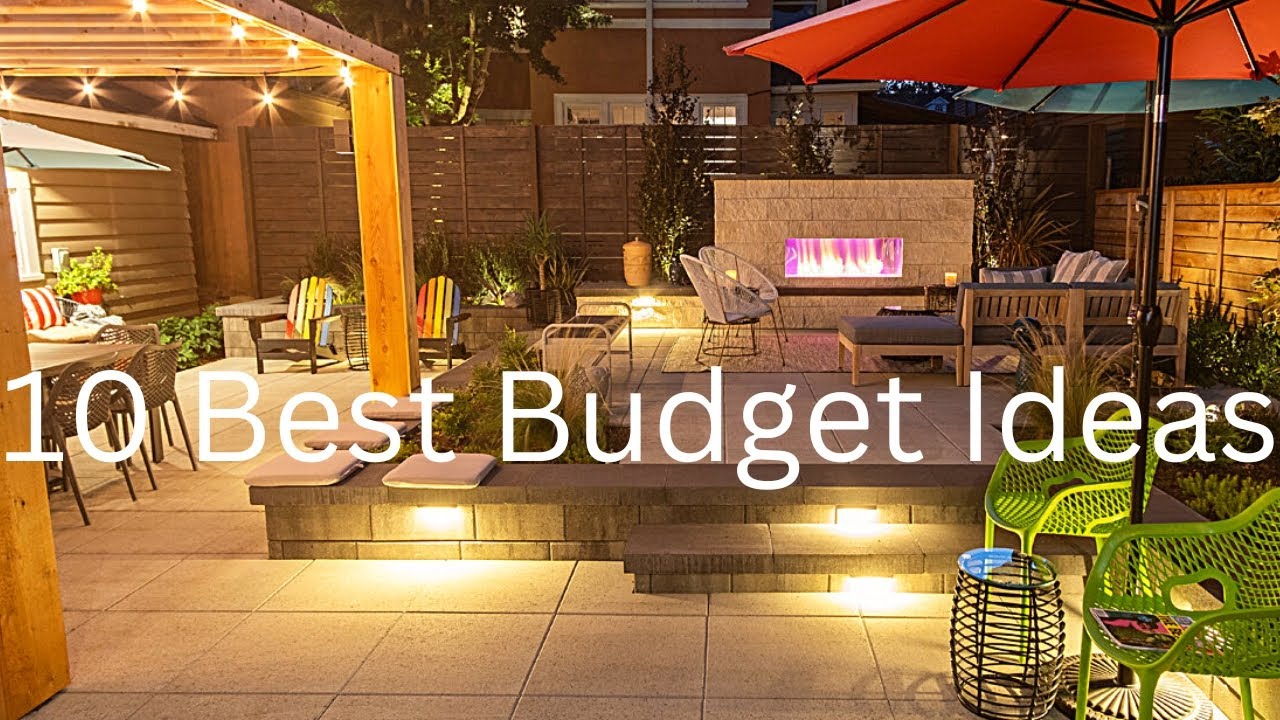
Paver Patios vs Concrete Patios is a debate we revisit with nearly every homeowner. Concrete is clean, monolithic, and cost-effective for large ground planes. It makes sense under covered spaces where rain and leaf litter are limited. Pavers cost more up front but handle tree roots and minor settlement gracefully. The aesthetic range has blown up in the last decade, and 15 Stunning Paver Patio Ideas for Los Angeles Homes gives a sense of how different formats, from oversized planks to classic tumbled rectangles, shape mood.
For steep drive courts or front walk transitions, permeable pavers add storm resilience. When paired with a proper base, they reduce runoff and earn goodwill with neighbors downstream. On hillsides, we often bring in small retaining walls to create level pads and to slow water. The Complete Homeowner’s Guide to Retaining Walls and Erosion Control explains the structural and permitting side, but from a design seat, retain only as much as you need, and tie wall materials back to your patio palette.
Furniture deserves as much attention as the floor. Powder-coated aluminum and high-density resin wicker hold up near salt air. Teak weathers well but needs occasional oiling or a clear decision to embrace the silver patina. If you use cushions, specify solution-dyed acrylics. Avoid dark solids on west exposures, which become scorching by midafternoon.
Build comfort in layers: air, light, heat
Year-round comfort is a stack of small systems that work together. No single feature fixes every discomfort. Think of how you manage indoor spaces with shades, HVAC, task lighting, and throws. Your outdoor room benefits from the same layered thinking.
For heat on winter nights, a fixed gas fire pit anchors a conversation zone. We size most square or rectangular fire features between 36 and 48 inches across, with a 6 to 10 inch ledge for plates and glasses. Fuel choice matters. Natural gas lines are clean and dependable. Propane works well if hardscape routing is tricky. If you prefer a contained flame, check out 12 Fire Pit Designs Perfect for Southern California Entertaining for ideas from linear ribbons in modern yards to circular bowls that feel at home among oaks.
Radiant overhead heaters deserve a look when you expect to dine outside into December. They warm people and surfaces, not the air, which matters on breezy eves. When we integrate heaters into a pergola or solid roof, we zone them on separate dimmers and place them above chairs rather than aisles. Over-spec them slightly so you can run at lower settings. Portable propane mushroom heaters are a budget stopgap, but they eat floor space and read commercial unless carefully hidden.
Shifting to daytime comfort, do not underestimate air movement. Ceiling fans make 90 degrees feel like 84. If you cannot run electrical overhead, compact outdoor-rated pedestal fans tucked behind planters can create quiet microflows without making a scene. Lighting drives use year round, which is where the 10 Benefits of Installing Landscape Lighting Around Your Home show up in daily life. We layer path lights at ankle height, warm string or catenary lines where it fits the architecture, dimmable sconces at eye level, and ceiling downlights only where needed. Avoid the interrogation look. If you can see the light source directly, you went too bright or too bare.
Drainage is what protects your investment
The first big storm after a dry year can dump more rain in six hours than the prior two months combined. That is when you discover if your outdoor living room was detail-driven or not. An inch of standing water under a sectional will mildew cushions and buckle low-grade decks. Good design treats water as a predictable guest, not an emergency.
Start with slope. Patios need a subtle fall, often a quarter inch per foot, aimed at area drains, trench drains, or pervious edges. On tight lots, we tuck slot drains at the base of bi-fold doors so the threshold stays slim while storms stay out. Everything You Need to Know About French Drains and Yard Drainage covers subsurface solutions, which matter on clayey soils and at the bottom of slopes. A French drain behind a seat wall or at the uphill toe of a patio intercepts water before it crosses living areas.
Why Proper Drainage Is Essential for Hillside Properties is not just an engineering note. On slopes, poorly handled water scours planters, undermines steps, and carries fines into expensive pavers. We often design swales disguised as planting bands that move water laterally to safe discharge points. If you see sediment streaks on your patio after light rain, consider it an early warning. 10 Signs Your Property Needs Better Drainage reads like a checklist we keep in the truck.
Planting that thrives while water stays scarce
A lush feeling is not about water consumption. It is about massing, texture, and scale. The Complete Guide to Drought-Tolerant Landscaping in Los Angeles shows that you can build layered, evergreen bones with low water use. Use tall, architectural species to set the ceiling plane around your outdoor room. Agaves, Arbutus unedo, and Toyon offer structure without constant trimming. Then soften with grasses and smaller shrubs. Lomandra handles foot traffic at edges, Salvia clevelandii gives scent, and Westringia offers clipped formality without being fussy.
Irrigation, even for drought tolerant palettes, should be precise. Drip grids under groundcovers keep overspray off furniture and walls. A smart controller pays for itself within a couple of seasons and saves you from watering during rare wet weeks. Mulch does more than retain moisture. It quiets a space acoustically and lets lighting read warmer at night.
If a green lawn feel is important around the living room, weigh Artificial Turf vs Natural Grass. Turf now looks convincing in high quality installations and solves shade or wear issues near seating areas. It stays usable after rain, drains if the base is properly built, and eliminates mud. The Pros and Cons of Artificial Turf in Southern California are real, though. Turf heats up in direct sun and needs occasional antimicrobial maintenance, especially with pets. A hybrid approach works for many families: a real lawn in a morning sun pocket for play, and a small turf in a shaded, high traffic nook near the living room.
Water, sound, and privacy without walls
Outdoor living rooms earn their keep when they feel tranquil even while only thirty feet from a neighbor’s kitchen. Rather than fence everything off, we separate spaces using sound, light, and plant mass.
Small water features go a long way. 12 Backyard Water Feature Ideas for Los Angeles Homes shows options from basalt columns to thin sheet weirs. In a Hollywood Hills yard, a 24 inch wide wall-mounted spillway over a dark trough killed street noise better than any hedge could in that footprint. The visual movement keeps a seating area lively without making conversation compete.
Privacy rarely needs a monolithic wall. Angling the primary sofa three degrees away from a neighbor’s deck removes their direct line of sight. If a new fence is needed, feel outboard, not tall. A 6 foot board-on-board fence with a 12 inch offset of airy planting inside the outdoor room softens edges. Low-wattage backlighting on the green veil makes the evening read glamorous rather than bunker-like. Outdoor Lighting Design Tips Every Homeowner Should Know includes aiming techniques that apply here.
The kitchen that keeps you outside longer
A working outdoor kitchen makes your living room do real work. It speeds breakfast on weekends, keeps heat out of the house during summer, and makes entertaining smoother because the cook is inside the conversation zone. Outdoor Kitchens: The Most Popular Features Los Angeles Homeowners Are Adding will match your own wishlist: a grill, side burner, cold storage, prep space, and a sink if plumbing allows.
Costs depend on utility runs, materials, and equipment. How Much Does a Custom Outdoor Kitchen Cost in Los Angeles is usually answered with a range. A compact straight run with a quality grill, 6 feet of counter, and stucco or veneer finishes might land between $12,000 and $20,000. Add a sink with proper venting and trenching to the street or a permitted connection, a fridge, and better stone, and you are often in the $20,000 to $40,000 bracket. Large U-shaped stations with pizza ovens, built-in teppanyaki, and overhead structures run $45,000 to $100,000 and beyond. The most common budget miss comes from undercounting utilities. Trenching across mature hardscape and adding a new subpanel can add several thousand dollars quickly.
Plan the kitchen around workflow, not appliance catalogs. Give the grill 18 to 24 inches of landing space on both sides. Put cold storage on the ingress path from the house. If your outdoor dining table sits farther than 12 feet from the kitchen counter, budget for a serving shelf or a rolling cart. And if you think you will add a pergola later, run sleeves and conduits under the kitchen footing now so you do not carve up new paving later.
Fire features that work for summer and winter
Los Angeles nights cool off even in July. That is a gift for outdoor living rooms. A gentle flame turns a pretty space into a place you do not want to leave. 15 Backyard Fire Feature Ideas for Modern Homes will spark ideas. Consider scale relative to your furniture. A 12 foot linear fire in a 14 foot seating bay will toast knees and starve you of table space. Go smaller, then supplement with hidden radiant heaters for the edges.
For families with small kids or big dogs, fire tables with recessed burners and glass wind guards calm nerves. If hillside winds tend to make flames flicker, we add a slightly deeper pan and set the gas pressure with your installer to a level that maintains a steady line without blowouts. Bowl-style fire pits love round sectional layouts but can be tricky near narrow walkways. Think through circulation like you would in a living room. People need routes to pass without wedging between hot stone and someone’s knees.
Small backyards still make great rooms
Lot sizes in many LA neighborhoods are tight. That never stops us from creating functional outdoor living rooms. The trick lies in multitasking elements and building in a few illusions. 10 Ways to Make a Small Backyard Feel Larger suggests ideas you can scale. Choose a consistent material palette to extend sightlines and avoid visual clutter. Use built-in benches along edges instead of bulky standalone sofas. Go vertical with plants. Trellised vines create green walls that read like borrowed space. Secrets include rounding corners on low walls so your eye keeps moving and using mirror-finished steel in narrow slivers behind vines to double the perception of depth without looking gimmicky.
When privacy is the main pain point, modest pergolas become heroes. Why More Los Angeles Homeowners Are Installing Custom Pergolas is easy to see once you live with one. Add a slatted side screen only where you need it most. That partial enclosure frames the room without blocking air or light. Keep furniture low profile, use armless chairs that can be swapped in or out, and anchor the layout with a simple, well-proportioned rug. Visual order is your friend in small spaces.
Hardscape and structure on slopes
Many Los Angeles properties have grade changes. The Complete Guide to Hillside Landscaping in Los Angeles explains the big picture. In outdoor living rooms, small retaining walls often do double duty as seating. At 18 to 22 inches tall with a 12 inch wide cap, a seat wall works like extra chairs without looking like a bench. We clip corners on tight plans to ease movement. Integrated step lights undercaps keep the look clean while making night use safe.
If the grade is significant, you face a decision: cut in a level pad or build out on a deck. Retaining with masonry yields a permanent, cool-feeling patio that ties into paver or concrete surfaces. Decking floats over utilities and protects existing roots, and it can feel lighter next to mid-century or contemporary facades. How to Choose the Right Retaining Wall for Your Property talks structure and finishes, but in design terms, keep textures consistent. Do not mix too many finishes, or the room will feel busy.
Lighting that extends the night without killing the sky
Outdoor living rooms in California reward restraint with lighting. The goal is a soft envelope that lets faces glow and food look great, while background planting breezily hints at depth. A professional plan often mixes three temperatures: warm 2700K for seating, a slightly cooler 3000K for task zones like the kitchen, and low-output accent lights on trees. Hide fixtures where possible. Glare is the enemy. Moonlighting from a mature tree, with downlights mounted high and aimed through branches, paints a pattern on the ground that feels like natural moonlight and avoids the floodlit patio look.
Path lights belong where your foot hesitates, not every six feet like runway markers. Step lights under treads or seat wall caps free up the ground plane for furniture. The Best Outdoor Entertainment Features for Los Angeles Homes often include audiovisual gear. If you plan for a projector or outdoor TV, seat people perpendicular to light sources and allow for ambient light control. A matte-finish projection surface or a shaded wall outperforms a glossy screen in open air.
Trends that will actually stick
Homeowners ask what is next every season. The truth is, long-lasting outdoor living trends are evolutions, not gimmicks. 10 Outdoor Living Trends Taking Over Los Angeles Backyards in 2026 reads like our design boards right now. Expect to see:
- Mixed-material hardscapes that blend porcelain pavers, natural stone accents, and warm woods without visual clutter
Smart irrigation and lighting controls that talk to your phone are already standard. Even in high-end work, we favor simplicity you can operate without an instruction manual. Low-water plant palettes are not going away, and Why Drought-Tolerant Landscaping Is More Popular Than Ever in Los Angeles captures the why. More shade, better acoustics, and a balance of analog comforts like fire and water will keep these rooms timeless.
How to design for value without feeling transactional
A good outdoor living room increases property value because it wins hearts during showings and inspection periods. Buyers picture morning coffee, birthdays, and neighborhood dinners. How to Design a Backyard That Increases Property Value aligns with what appraisers notice: quality of materials, permitted structures, functional outdoor kitchens, and well-lit circulation. 12 Outdoor Living Features That Add Value to Your Property supports the same thesis. You do not need everything. Hit the essentials well.
If budgeting big moves, spend on the substrate and utilities first. A perfect grill on a sinking patio is still a loss. The Best Hardscaping Materials for Los Angeles Homes guide your palette. How Much Does Hardscape Construction Cost in Los Angeles is a logical next question. Paver patios generally run higher than basic broom-finish concrete but offer savings later in repairs. Lighting and irrigation infrastructure are small percentages of the whole but drive daily satisfaction. The soft goods can graduate up over time.
Common design mistakes and how to avoid them
You can dodge most pitfalls by keeping workflow, microclimate, and drainage front and center. 10 Mistakes Homeowners Make When Designing an Outdoor Living Space reads true on job sites. Do not oversize the fire feature. Do not forget shade on a west-facing dining area. Do not let the outdoor kitchen face directly into prevailing wind if you want to avoid smoke in your eyes. And never set finish elevation too close to interior thresholds without a plan for water. If you catch these early, the rest falls into place.
For hillside properties, pay extra attention to soil reports and water management. Retaining Walls Explained: When Does Your Property Need One? Is a helpful primer. Avoid planting that needs constant water near seat walls. Use drip to prevent staining. If your site traps stormwater, How to Prevent Yard Flooding and Drainage Problems will be your best friend during the first winter.
Bringing it together: a day in a well-designed space
Picture a May Saturday in Studio City. Morning coffee under a louvered pergola that is open to the cool sun. The paver patio stays dry from the night’s light sprinkle because water moved to a slot drain along the house. Kids kick a ball on a small turf strip that never turned muddy. Lunch happens at a teak table in open shade, ceiling fans at a slow spin. You prep outside because the kitchen has what you need within arm’s reach. As the sun drops, sconces cast a warm glow, string lights dim low, and the linear fire flickers for marshmallows. Neighbors drift in through a side gate, drawn by the faint murmur of a spillway. No one thinks about drainage, plant survivability, or the wind, because those decisions were baked into the design months ago.

That is year-round California comfort: a set of thoughtful, often invisible moves that make time outside feel as easy as time in your favorite room. When you plan with your site in mind, invest where structure matters, and layer comfort with light, air, and heat, the rest reads like lifestyle, not construction.
Business Name: Ridgeline Outdoor Living
Address: 845 E Walnut St, Pasadena, CA 91101, United States
Phone: (626) 469-5822
Ridgeline Outdoor Living
Ridgeline Outdoor Living is a Pasadena-based landscape design-build company serving Greater Los Angeles with custom outdoor living, hardscape, and drought-tolerant landscape solutions. The company specializes in patios, retaining walls, outdoor kitchens, drainage, hillside projects, and turnkey landscape construction, handling projects from design and permitting through final build and warranty.
845 E Walnut St, Pasadena, CA 91101, USA
Business Hours:
- Monday – Saturday: 8:00 AM – 6:00 PM
- Sunday: Closed
Follow Us: