Paver Driveways and Walkways in Pasadena CA: Strength Meets Curb Appeal
Pasadena homes carry a certain poise. Mature oaks, red tile roofings, Arts and Crafts cottages, and foothill views request for hardscape that feels grounded and never lightweight. When a driveway cracks or a front walk looks tired, the whole facade drops. Pavers increase to that minute. Effectively built interlocking systems handle Pasadena's seasonal heat, sudden downpours, and periodic ground motion, all while adding texture and pattern that concrete pieces battle to match.
I have invested enough mornings on San Rafael slopes and afternoons in Madison Heights courtyards to understand that paver work here lives or dies by preparation. Soil composition changes in a few blocks, from disintegrated granite to clay pockets. Water wants a path. Tree roots neglect property lines. Get the base and drainage right, and your driveway or walkway will look sharp a decade from now.
Why pavers outperform slabs on Pasadena properties
The interlocking design is not marketing fluff. Each system resists motion by locking against its next-door neighbors, which spreads out load and minimizes splitting. When a heavy SUV or a service truck noses onto a paver driveway, the force distributes throughout a matrix instead of focusing in rebar grids. If a problem does happen, a single paver lifts and changes in under an hour. Attempt area repairing a spalled concrete panel with the same clean result.
Aesthetics matter simply as much. Brick pavers echo Old Town textures and traditional revivals. Concrete pavers imitate limestone, bluestone, even weathered cobble, and they keep color harmony throughout large surface areas. Natural stone pavers elevate historic homes with depth and variation that just geology can produce. With the best edge restraint and jointing sand, all of these choices develop a driveway or walkway that feels tailored, not poured.
Climate, drain, and Pasadena's soils
Hardscape in Pasadena should ride out two hardscape contractors Pasadena CA distinct stresses. Dry, hot months bake products, then a Pacific storm visits and drops a few inches of rain in days. In flat backyards this suggests standing water. In hillside areas it implies quick runoff and erosion. A successful paver installation takes these forces as very first principles.
Think of the system in layers. At the top, the paver surface area needs a quarter-inch fall per linear foot so water never ever remains. Beneath that sits bed linen sand, normally one inch of angular material rather than play-sand powder. The structural layer is compressed base rock, and its density changes with soil type and vehicle load. In the western flats where soils include clay, I seldom go thinner than 6 inches of Class II roadway base for a driveway. On steeper lots with decayed granite, 8 to 12 inches manages movement better, particularly if the driveway sees shipment trucks.
The last invisible hero is drainage method. French drains at the low edges, perforated pipeline daylighting to the street, or infiltration trenches where codes permit, all keep subsurface water from softening the base. Surface drains at garage thresholds and along retaining walls protect structures. When homeowners inquire about paver durability, I talk more about where water goes than which color they choose.
Materials that make their keep: interlocking, brick, concrete, and stone
Not every paver belongs in every lawn. Selecting well is part art, part math.
Interlocking pavers form the foundation of many Pasadena driveways. They come in compressive strengths around 8,000 psi, with diagonal edges that endure a bit of sand loss without creating sharp trip points. They lay rapidly and accept elaborate patterns like herringbone that include strength in turning zones near garages. If you have a high or curving driveway off Linda Vista, an interlocking concrete set in 45-degree herringbone will hold positioning and withstand shearing as tires twist upslope.
Brick pavers include character, however they require discipline. Real clay systems vary slightly in dimension and can be softer than concrete. On a sidewalk in Bungalow Paradise, that flaw reads as charm. For a driveway that sees two teenage chauffeurs discovering how to parallel park, brick requires a beefier base and a tight soldier-course restraint along edges to reduce creep. Avoid the temptation to lay antique brick where consistent wet leaves mossy film. It looks fantastic for 6 months, then turns slick.
Concrete pavers use the best style range and competitive expense. They can mimic cut-stone formats in big rectangular shapes or tighter cobble textures for traditional streetscape looks. I frequently define textured concrete pavers for north-facing walks where algae may grow, considering that microtexture gives a touch more traction when moist. Sealers can keep color brilliant, however be cautious with glossy films in shaded areas. A matte penetrating sealant balances staining resistance with slip safety.
Natural stone pavers sit at the top end of both rate and curb appeal. Thick granite, porphyry, and dense limestone shake off abuse, however weight and variation demand a precise team. I lean to natural stone for courtyard sidewalks and for driveways in front of traditionally substantial homes, where uniformity can read as anachronistic. The budget mathematics is honest: you invest more in advance, but a well-set stone surface ages with dignity instead of fading.
Pattern, color, and the feel of place
Pasadena architecture sets a high bar. Hardscape must match, not complete. Artisan cottages handle soft schemes: charcoal borders with mid-gray fields, clay brick edges around easy running bond. Spanish revival homes accept warmer tones, browns and terra-cottas that speak with roofing tile and stucco. Modern homes can take large-format rectangles, 24 by 36 inches in cool shades, with crisp lines that match pared-back plantings.
On driveways, pattern carries structural ramifications. Herringbone disperses turning loads much better than running bond. A 45-degree lay can also disguise minor slope modifications that look more obvious in straight-laid grids. For strolls, a single-width stone walkway down a narrow side yard prevents the checkerboard feel that includes mixing a lot of formats.
Curb appeal typically depends upon little moves. A 6-inch soldier course in a contrasting tone frames the driveway and keeps visual order against lawn or planting beds. Flared entries at the street ease tire method angles, which secures edges. If you include lighting, go for warm white at low heights, not theatrical uplighting that blinds visitors at the door.
What a knowledgeable paver contractor tries to find on day one
Homeowners sometimes expect the first site visit to hurry straight to samples. An experienced paver contractor will invest half that check out with a level, a probe rod, and a notebook. They are mapping grades, inspecting downspout locations, locating roots, testing soil response, and checking out sightlines from the street to the front door. In Pasadena, tree security can shape the whole technique, specifically with safeguarded species. If a massive deodar cedar sits near the driveway, the plan needs to route base depth and excavation around crucial root zones, then use permeable base areas where suitable to keep soil oxygenated.
Expect a frank conversation about lorry loads. If you sometimes host a professional's trailer or a moving truck, note it. The base dish changes. If your lot edges a canyon wash, windblown grit creeps everywhere. Joint choice matters, and polymeric sand with appropriate compaction saves vacuuming time down the line.
The bones of a long-lasting driveway or walkway
Installation is choreography. Each step makes the next cleaner.
- Quick planning list that in fact prevents problems:
- Confirm residential or commercial property lines and any city right-of-way limits near the apron.
- Map all utilities, consisting of shallow watering laterals and low-voltage lighting.
- Decide lorry turning zones and trash bin storage, then strengthen those areas.
- Choose a drain outlet before digging the very first trench.
- Finalize edge restraint style, concrete curb or concealed aluminum, to match the design.
Excavation precedes, typically 7 to 12 inches listed below completed grade depending on usage. Carrying soil in Pasadena can get costly, so reusing clean fill in planters conserves cash if you have space. Base rock arrives next. Moisture and compaction matter more than almost anything. I desire a plate compactor that can reach 95 percent relative compaction in lifts, with a few light passes of water to set the fines. Too dry and it will never lock. Too wet and the surface area pumps underfoot.
Bedding follows. An even, screeded one-inch layer of sharp sand or limestone screenings gets the pavers. This is not the layer that fixes huge bulges or dips. That work occurs in the base. Pavers set by hand within string lines or laser control, then a plate compactor with a protective mat vibrates the field to seat systems. Joint sand sweeps in, polymeric varieties get a gentle hose-down to activate binders, and edges lock to curbs.
On pathways, growth control is simpler than in slabs. The interlocking field itself deals with micro-movements. Where a sidewalk abuts a concrete stoop or foundation, I leave a tidy quarter-inch soft joint and backer rod with polyurethane sealant, color-matched when possible. It keeps the joint flexible and withstands debris.
Walkway setup that invites individuals to utilize it
A sidewalk fails if visitors choose the lawn rather. People check out subtle cues: width, turns, and edges. Front entries are worthy of a minimum of 48 inches clear, 60 inches feels generous. Side yard adapters can narrow to 36 inches if planting softens edges. Curves need to be true arcs, not kinked. When we discuss Ridgeling outdoor living garden pathway ideas, we often obtain from park design. Gentle S-curves that expose plant layers, a small pad at a gate for fumbling with keys, a textural shift at thresholds so your feet notice the change.
Stone sidewalks add a touch of permanence. Irregular flagging looks best when gaps are consistent, not wild. For families with strollers or rolling luggage, routine rectangular stone or concrete pavers in tight joints roll much better. Lighting at 12 to 18 inches high, shielded and warm, keeps the vibe welcoming, not runway-like.
Retaining walls that work with the hardscape
Driveways and pathways in Pasadena often connect with grade modifications. When soil wants to move, a wall negotiates the conversation between architecture and landscape. Retaining walls near driveways carry additional charge from cars, which indicates engineering matters. A retaining wall contractor in Pasadena will size geogrid layers, drainage backfill, and footing depth to your specific website. For homeowners searching for creative block retaining walls Pasadena choices, modern-day modular systems enable textured faces, caps for seating, and tight curves that follow planting beds.
Stone retaining walls specialists in Pasadena LA earn their continue historical residential or commercial properties where mortar and stone type need to appreciate initial construction. Dry-stack looks charming, but water behind it needs a place to go. Weep holes, perforated drains, and clean gravel backfill keep hydrostatic pressure from bowing a wall gradually. If a paver driveway ends into a wall, information an appropriate growth break and cap edge so plows and brooms do not chip stone.
For those thinking about retaining wall installation in Pasadena CA as part of a larger driveway restore, strategy series thoroughly. Walls initially, then flatwork. It preserves gain access to for compactors and delivery van and avoids driving over freshly laid pavers.
Integrating outdoor patios, outside cooking areas, and fire features
Many driveway tasks snowball into complete front yard or yard refreshes. That makes good sense. If a crew is on website with saws, compactors, and ability, there is efficiency in dealing with several aspects. Patio installation links to drives through product and elevation options. When house owners generate a patio contractor, the conversation often turns to how an arrival court transitions into a side-yard seating area, or how a back walkway satisfies a terrace without a journey lip.
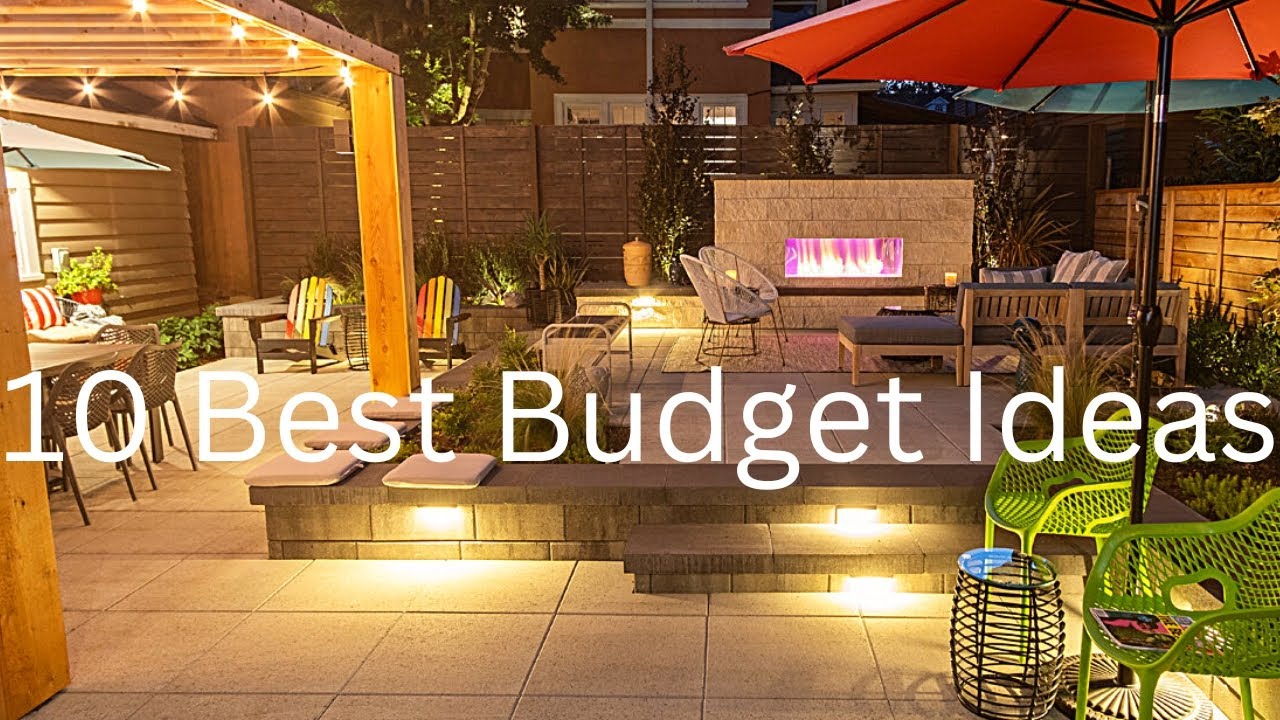
Ridgeline Outdoor Living paver setup professionals do this mixing well. Patio design Ridgeline Outdoor Living prefers cohesive combinations and practical touches: smooth paver zones under dining tables so chairs do not wobble, rougher textures near pools for grip, and clear paths from cooking area to grill so hot platters move quickly and safely. If you are browsing Pasadena outdoor kitchen ideas, believe zones instead of a single monolith. A prepping run near the house, a grill island with ventilation, and a back counter for plating keeps traffic tidy. Tie-in a single course of the driveway border paver on the patio as a nod to continuity.
An outdoor fireplace or a fire pit installation sets well with pavers, but information the pad with fire-rated substrate and suitable clearances. Gas lines require authorizations and pressure tests. Wood-burning features need stimulate arrestors and smart siting far from eaves. On sloped lots, a little seat wall behind a fire pit functions as a maintaining edge and a wind block.
Styles Pasadena property owners consistently love
- Best paver outdoor patio designs for Pasadena homes:
- Classic brick herringbone with a charcoal border for Artisan and traditional homes.
- Large-format concrete pavers in cool grays for modern, mid-century, or minimalist landscapes.
- Tumbled cobble concrete pavers for cottage beauty along shaded garden paths.
- Natural limestone rectangular shapes with tight joints for high end courtyards and entries.
- Mixed banding, a two-unit border that echoes roofing system or trim color, to tie driveway and walk together.
These very same sensibilities apply to driveways and walkways. One strong gesture, a contrasting border or a material change at the apron, frequently outperforms hectic patterns. Simpleness lines up with Pasadena's architecture, which tends to let craft program without shouting.
Maintenance that respects your time
Paver systems earn their credibility for easy maintenance. A yearly sweep and rinse, a top-up of polymeric sand where joints reveal wear, and you are done. Oil leaks take place. On concrete pavers, a degreaser and a little dwell time lift most stains. On brick, patience and blotting beat aggressive scrubbing that can scuff the surface. Natural stone may request for a breathable sealant every few years, selected for the specific mineral type to avoid haze.
Weeds do not grow from sand alone; they sprout from airborne seeds. Keep joints topped and edges crisp, and you will pull far less trespassers. If ants move in, a targeted joint treatment followed by resealing the sand usually fixes it. Heavy settling is rare when base compaction is correct. If a corner dips near a downspout years later, a pro can raise and relevel a section without removing the whole field.
Costs, allows, and what affects your budget
Ranges are honest because websites differ. In Pasadena today, a basic concrete paver driveway may start in the high teens per square foot set up, with mid-range design and uncomplicated prep nudging into the low to mid twenties. Complex curves, thick base for heavy use, complex borders, or natural stone can bring it greater. Walkways, with lighter load and less excavation, typically rate lower per square foot. Retaining walls add a separate spending plan line, calculated by height, length, and engineering needs.

Permits enter play for operate in the general public right of way, such as driveway aprons, and for gas lines to fire features. HOAs in some neighborhoods have style approvals, particularly for visible front lawn changes. A skilled paver contractor assists browse this. They will photograph existing conditions, prepare a basic plan to scale, and provide item samples or cut sheets when your architectural review board requests specifics.
Real-world examples and lessons learned
A Mediterranean revival on Hill Drive had a spalling concrete driveway that glared white against warm stucco. The owners desired a softer entry however parked 3 cars and trucks nighttime. We selected concrete interlocking pavers in a weathered enthusiast with a tumbled edge, embeded in 45-degree herringbone. The herringbone handled turning forces, and a dark soldier course calmed the visual field. A surprise channel drain at the garage door captured roof runoff and routed it to a landscaped swell by the street. Eight years later, it still checks out as part of your home, not an add-on.
On a San Rafael hillside, a narrow, falling apart pathway pitched toward planted slopes. The house owners desired more secure access for aging parents. We broadened to 48 inches, used textured concrete pavers for grip, and presented mild landings every 20 feet to break the climb. Low, integrated seat walls on the uphill side doubled as little retaining walls. Lighting at 14 inches with protected fixtures now guides guests without glare. The key was appreciating the slope's character, not combating it with a staircase feel.
A craftsman home near Caltech had timeless brick chimneys and porch columns. The owners requested for a brand-new paver driveway however enjoyed the estate-brick look. We specified a clay brick in a wire-cut finish for the apron and walk, then transitioned to a stronger, color-matched concrete paver for the main driveway field. Up close, the materials vary, but in tone they harmonize. Function sits where it needs to, and design carries to the curb.
When to call specialists and how to vet them
Not all teams deal with complicated work similarly. For high drives, permeable systems, or heritage stone, request projects you can go to. The very best referrals come from seeing a five-year-old setup, not a fresh one. When you engage Ridgeline Outdoor Living paver installation experts, or any trustworthy paver contractor, listen to how they discuss base, drain, and edge restraint. If the conversation remains on color chips for too long, guide it back to structure.
If retaining walls remain in scope, include a retaining wall contractor in Pasadena early. Their drawings may change obstacles or change wall height slightly to fulfill code and soil reality. For stone walls, seek stone retaining walls experts in Pasadena LA who can match existing mortar color and strike joints correctly. Brick-to-paver shifts, drain tie-ins, and utility coordination all gain from a group that works together, not in silos.
Tying it together
Driveways and pathways do more than bring people and cars and trucks. They set tone, arrange area, and safeguard your investment. Interlocking systems, whether brick pavers, concrete pavers, or natural stone pavers, bring strength and repairability. Thoughtful walkway installation invites individuals where you want them to go, and it does so securely and perfectly. Where slopes complicate things, retaining walls and excellent drainage make the distinction in between an upkeep hassle and a landscape that lasts.
If you are considering patio installation along with your front entry revitalize, generate a patio contractor who understands how each surface notifies the next. Patio design Ridgeline Outdoor Living, when it is succeeded, treats the property as one composition, from the curb to the back steps. Whether you want concepts for Pasadena outdoor kitchen ideas, an outdoor fireplace in a quiet corner, or a small fire pit installation off the patio area, the exact same rules use: sincere products, strong bones, and hardscaping guide information that respect how individuals live.
Pasadena rewards craftsmanship. The shade of a deodar, the line of a low wall, the rhythm of pavers underfoot, they all amount to a home that welcomes you properly every day. With the right strategy and the ideal group, strength fulfills curb appeal, and it stays that way.
Business Name: Ridgeline Outdoor Living
Address: 845 E Walnut St, Pasadena, CA 91101, United States
Phone: (626) 469-5822
Ridgeline Outdoor Living
Ridgeline Outdoor Living is a Pasadena-based landscape design-build company serving Greater Los Angeles with custom outdoor living, hardscape, and drought-tolerant landscape solutions. The company specializes in patios, retaining walls, outdoor kitchens, drainage, hillside projects, and turnkey landscape construction, handling projects from design and permitting through final build and warranty.
845 E Walnut St, Pasadena, CA 91101, USA
Business Hours:
- Monday – Saturday: 8:00 AM – 6:00 PM
- Sunday: Closed
Follow Us: