Paver Installation Pasadena CA: Outdoor Living Upgrades That Add Worth
Pasadena rewards good hardscape. The climate supports year round outdoor living, the architecture varies from classic Craftsman to Spanish Revival to clean mid century lines, and fully grown gardens soften the hard edges of stone and brick. Done well, a brand-new paver patio area or sidewalk can feel belonging to the residential or commercial property, not slapped on. It likewise brings real worth, both for everyday use and resale. After two decades designing and building patio areas and retaining walls across the San Gabriel Valley, I have actually seen how thoughtful style and solid installation practices pay for themselves in toughness and curb appeal.
Where value actually comes from
Buyers do not pay for square video of paving, they pay for way of life. An outdoor patio that anchors a seating location under a jacaranda, a garden course that connects the cooking area door to the herb beds without muddy shoes, a fire pit discussion circle that turns shoulder seasons into hosting season, these additions check out as habitable area. The product choice matters, yet scale, proportion, drainage, and fit with the house are the real value drivers.
In Pasadena, projects gain additional traction when they balance with the home's era. Brick pavers flatter Craftsman bungalows in Bungalow Paradise. Tumbled concrete pavers with warm aggregates fit Spanish and Mediterranean homes north of Colorado Boulevard. Big format natural stone pavers land well with contemporary remodels near the Arroyo. If the palette, pattern, and joints echo the home's architecture, the space feels unavoidable, almost original.
Understanding Pasadena ground and weather
Soil and water control either reduce or extend the life of your hardscape. Much of Pasadena rests on alluvial fan soils. You can hit sandy loam on one lot and a pocket of clay 3 feet over. Hillside communities near Linda Vista and San Rafael present slope and periodic groundwater. Summertime heat bakes the top few inches of soil, then our winter rains arrive in bursts. Pavers carry out magnificently in this pattern if the base drains pipes quick, the edges are locked, and the surface area joints can move a hair without cracking.
Interlocking pavers shine here. The sand set system, with a compressed aggregate base and polymeric joint sand, delivers a versatile surface area that tolerates seismic motion, tree root pressure, and seasonal wetness changes better than poured piece. That is a huge reason Ridgeline Outdoor Living paver installation experts advise interlocking pavers for most patio installation and pathway tasks in Pasadena.
Picking materials with purpose
The product must serve the design vision and the site restraints, not the hardscaping guide other method around. I break the options to four families that cover most needs.
Brick pavers provide heat and heritage. They are particularly at home with Pasadena's Craftsman and Conventional stock. Colors range from deep clinker tones to wire cut reds with iron flecks. Laid in a herringbone field with a soldier course border, brick reads crisp and timeless. For driveways, clay pavers rated for car usage will hold up for decades. On outdoor patios, brick remains cooler than darker concrete in August sun.
Concrete pavers are the chameleons. Interlocking pavers been available in dozens of shapes, densities, and finishes. You can discover cobble textures for cottage gardens in Hastings Ranch, smooth bevel edge rectangles that play well with modern-day ADUs, and big format 24 by 24 inch pieces for tidy courtyard grids. Mix 2 or three sizes in a modular pattern, and the surface area looks rich without busy lines. Concrete pavers also match quickly with bands of natural stone or brick to connect into the house.
Natural stone pavers steal the eye. Bluestone, limestone, and porphyry bring subtle color movement that guy made products still chase after. The trade off is cost and variability. Genuine stone can swing in thickness, which needs tighter setup tolerances. We often use natural stone for the primary living zone and transition to concrete pavers for utility areas to stabilize the budget. For hillside terraces, stone steps anchored into a retaining wall look like they were sculpted on site.

A word on finish: in Pasadena's heat, lighter surface areas decrease surface temperature level by an obvious margin. A light gray concrete paver might check out 15 to 20 degrees cooler than a charcoal system at peak sun. If bare feet or family pet paws will be common, keep that in mind.
Patterns that flatter Pasadena homes
Patterns do more than direct traffic, they interact age and order. Herringbone brick at 45 degrees develops energy and resists vehicular racking. Running bond calms a narrow side lawn. Random ashlar blends three or four paver sizes into a naturalistic layout that fits with Mediterranean gardens. Big format squares on a real grid telegraph modernity. Borders and insets, even simple ones, raise the entire field. A single 6 inch soldier course around a patio area can pull the structure together and secure the field from edge creep.
For clients looking for the very best paver patio styles for Pasadena homes, I tend to guide choices towards 5 households that stay stylish with time:
- Herringbone brick with a soldier border for Craftsman and Traditional homes.
- Random ashlar concrete pavers in warm buff and tan for Spanish and Mediterranean.
- Large format limestone or concrete slabs with tight joints for Mid Century and contemporary.
- Tumbled cobble concrete pavers for cottage gardens and Tudor revivals.
- Mixed width plank style pavers for modern rustic decks that require fire safety.
Designing for convenience, not just looks
Comfort starts with design. A dining zone desires a minimum of 12 by 12 feet to seat 6 and allow chairs to slide. A conversation circle around a fire pit requires 14 to 16 feet throughout to fit 4 lounge chairs without feeling cramped. Outside kitchen area runs grow quick once you include a grill, side burner, refrigerator, and counter landing zones. Strategy 2 feet of counter for each job location, and leave clear flow paths that are at least 4 feet wide.
Shade and glare can make or break an outdoor patio. Pasadena afternoons fume. Think about a pergola, a tactically placed tree, or an easy sail anchored to your house. Lighter paving colors minimize heat load. If you enjoy Pasadena outdoor kitchen ideas, position the cook zone to benefit from dominating breezes from the southwest so smoke relocations far from seating. Prevent positioning grills against stucco walls without a non flammable backsplash and proper clearances. For night use, low voltage lighting tucked into retaining walls and risers turns steps and edges into safe, stunning elements.
Drainage deserves attention early. Direct a minimum of one percent slope far from the home for patios. On tight lots, slot drains pipes at home lines can catch water and send it to dry wells or approved discharge points. Permeable interlocking pavers are an alternative when you want to recharge soil and lessen runoff, yet confirm infiltration rates on clay pockets before committing.
The case for interlocking pavers over poured slab
Homeowners frequently compare pavers to concrete pieces since slab quotes look cheaper initially look. In seismic Southern California, slabs split. Control joints help, however they are not magic. Roots and settling telegraph through. Interlocking pavers split up and return together. If a tree root lifts a corner, a paver contractor can pull a few units, shave the base, and reset them in an afternoon. Attempt that with a slab.
Interlocking pavers also handle energy surprises with dignity. We have lifted and reset 200 square feet to include a gas stub for a new outdoor fireplace, then left without a scar. The modular system is insurance versus modification. When long term ownership is the plan, the life process cost favors pavers. You preserve joints with polymeric sand every few years and tidy seals as required. There is no large resurface bill, and freeze thaw cycles, mild as they are here, do not chew at edges like they finish with stamped concrete.
Preparing a website the right way
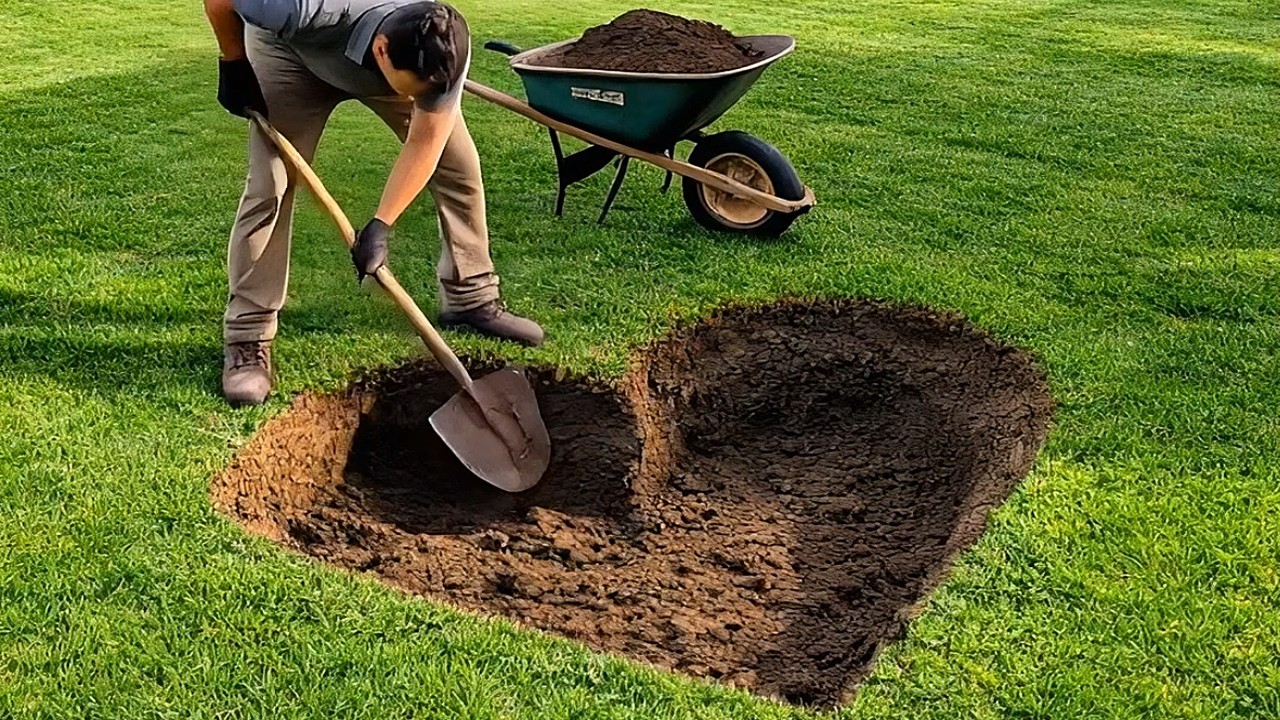
Most failures I inherit trace back to base preparation and edge restraint. The noticeable surface area gets all the credit, yet the base carries the load. On Pasadena's mixed soils, we over dig 7 to 10 inches for patios and walkways, much deeper for driveways. After eliminating organics and any soft pockets, we compact in lifts with a plate compactor to reach 95 percent relative compaction. Class II roadway base or a similar angular aggregate locks together under compaction. A final layer of bedding sand, screeded to about 1 inch, develops an accurate plane.
Edge restraint keeps the field from drifting. Concrete toe beams, increased aluminum edges, or mortared soldier courses all work. We pick the method that fits the aesthetic and loading. Without edges, joints open, lines snake, and the patio area loses tightness over time.
Retaining walls that look great and work hard
Sloped lots prevail, and that is where retaining walls include both function and appeal. Retaining wall installation in Pasadena CA requires to respect soil type, additional charge loads, and drainage. Little garden walls under 3 to 4 feet can frequently garden pathways Pasadena be constructed with modular block systems and gravel backfill. Taller structures, or walls that carry a driveway or patio area load, might need engineering and licenses. It is not a location to guess.
A retaining wall contractor in Pasadena should know when to consist of geogrid, how to tie enter the wall, and how to eliminate hydrostatic pressure. Weep holes and perforated drains at the base, covered in drain material and surrounded by tidy gravel, are your insurance plan versus water pushing the wall. Stone retaining walls experts in Pasadena LA communities typically blend veneer stone with structural block, providing you the love of natural rock with the strength of a strengthened core.
Creative block retaining walls in Pasadena gardens can do more than hold soil. Step the wall to develop planters for citrus and rosemary. Curve it to cradle a fire pit balcony. Cap it with a smooth stone that doubles as casual seating. When sightlines matter, keep the wall heights differed so the garden feels layered rather than boxed in.
Walkway installation and garden pathways
Circulation is where numerous landscapes either invite or annoy. A great walkway installation reads like a gentle tip. It is wide where 2 people pass, narrows where area is tighter, and lands at destinations with function. Side backyard goes to trash enclosures operate at 36 inches. Front strolls feel generous at 48 inches and broad landings at entries aid with visitor circulation. For older homes, a brick or stone band flanking a concrete paver walk ties new to old.
Stone sidewalks fit Pasadena's gardens. Decomposed granite with stone insets offers a soft, permeable feel for lower traffic zones. In shadier Arroyo pockets, flagstone set on sand with tight joints withstands moss buildup better than shaded concrete. Ridgeling outdoor living garden pathway ideas such as alternating rectangular paver pads with dwarf thyme or kurapia joints bring life into the hardscape and cool the surface. Keep action length constant and watch your riser to tread ratios on garden actions. The body keeps in mind rhythm even if the eyes are looking at blossoms.
Fire functions, outdoor kitchens, and the art of gathering
An outdoor patio without a reason to remain can feel like a stage with no stars. Fire pits and outside fireplaces change that. Gas fire pit installation simplifies use in Pasadena's air quality basin, and you can dial the flame down on breezy nights. Wood burning units are still possible where local rules permit, however design for stimulate arrestors and clearances from structures and overhanging branches. Circle seating around a round pit encourages discussion, while direct fire functions define the edge of a lounge and direct views outward.
For kitchens, build to the cook's routines. A U shaped island can obstruct social flow, while a straight run with a perpendicular bar keeps the chef connected to visitors. Wind matters. Place the grill so smoke exits far from the house and seating. Storage under counters makes daily use much easier than a cart parked in the garage. Electrical for task lighting and a USB outlet tucked in a weatherproof box are little upgrades that owners appreciate every week.
Patios as extensions of architecture
The most gratifying patio areas obtain from the home's themes. On a Greene and Greene affected bungalow, a brick outdoor patio with a dark mortar wash and a low stone base for columns is a nod to the masters without copying. A contemporary home near Caltech may use big format concrete pavers on a rigorous grid that aligns with window mullions, then break that accuracy with a single offset planting bed. Spanish Revival patio areas come alive with terra cotta accents, inlaid talavera tile at risers, and a soft curve that fulfills a stucco wall.
Scale ties everything together. Set your patio elevation to kiss the interior floor with a tidy limit, then step down once to the garden to keep transitions clear. If you need more than 18 inches of grade modification, think about brief terraces rather than one high drop. Your retaining walls will check out as intentional garden structure instead of guardrails.
What it costs and where the cash goes
Prices swing with gain access to, soil, and materials, yet some ballparks assist. Basic concrete paver patios in Pasadena often land in the high teenagers to mid 20s per square foot for uncomplicated designs. Complex patterns, heavy cuts, natural stone, and tight access push into the 30s or above. Retaining walls differ a lot more. A small 2 to 3 foot tall modular wall may run 80 to 150 dollars per face foot. Engineered walls with deep footings and drain systems can double that. Fire pit installation varies extensively, from a modest premade gas system plumbed into a stub to customized masonry with stone caps and incorporated seating.
Maintenance is modest compared to wood decks or softscape overhauls. Intend on rejuvenating polymeric sand every couple of years, cleaning spots as they take place, and resealing if the product requires it. Most owners invest a few hundred dollars a year in upkeep time or small services, not thousands.
Permits, examinations, and neighborly realities
Pasadena listens about drain and retaining walls. Flatwork that does not change grading frequently prevents heavy permitting, yet retaining walls above certain heights and walls near residential or commercial property lines can trigger plans and evaluations. Gas lines for outside fireplaces and cooking areas must be allowed and pressure checked. When we deal with narrow lots in Madison Heights, we collaborate material drops to reduce street obstruction and keep next-door neighbors in the loop. A small courtesy letter on start dates, noise windows, and parking plans keeps the neighborhood friendly.
How a skilled patio contractor approaches a project
A great patio contractor starts with listening. We stroll the site at the hottest hour to feel the sun, we see where water already runs, and we ask how you really utilize your backyard. A young family with young children needs enclosed edges and cool surface areas. A couple that hosts wine nights desires lighting scenes that begin soft and emphasize vignettes. The strategy should specify to you, not a catalog layout.
Ridgeline Outdoor Living techniques patio area design with that lens. Patio design Ridgeline Outdoor Living groups establish schematic designs with scale, then pick materials that echo your home. Ridgeline Outdoor Living paver installation experts construct mockups of borders or inlays on website so you can react before the team dedicates. That iterative approach keeps surprises enjoyable and lines up budget plan with priorities.
A useful pre building checklist
Before you sign an agreement or start digging, run through a compact checklist. It avoids 90 percent of headaches.
- Verify residential or commercial property lines, easements, and any HOA guidelines in writing.
- Map energies, consisting of watering, gas, electrical, and drain, and plan reroutes.
- Confirm base depth, compaction standards, and edge restraint details in the scope.
- Decide on lighting, gas stubs, and channel runs before the first paver is set.
- Set elevations with a laser level to ensure water streams far from structures.
Common pitfalls and how to avoid them
The most avoidable mistake is disregarding your house. A patio that fights the architecture will always feel pasted on. Follow roofing lines, window rhythms, and existing products where possible. Another avoidable mistake is under sizing. A grill nook stuffed into a 6 foot corner looks great on paper, but feels cramped in usage. Tape out layouts on the ground. Move chairs and a table into place. Your body will inform you the truth.
Edge cases should have attention. Pasadena's protected oaks need root zone respect. Do not cut significant roots for a sidewalk. Float courses with bridging methods or reroute. On hillside lots, do not construct a paver outdoor patio as if it were a slab on grade. Step the base to match the slope or tie into an effectively crafted maintaining system. If you hear slosh in your base trench after a storm, wait, pump it out, and reset the subgrade. Water trapped under an outdoor patio is the quiet killer.
Bringing everything together
A strong patio area or sidewalk task in Pasadena starts with a truthful look at how you live, what your house says, and what the ground will permit without a fight. Interlocking pavers, brick pavers, concrete pavers, and natural stone pavers each have a place. Retaining walls can be peaceful servants or proud functions. A modest fire pit or a grand outdoor fireplace can tip nights from indoors to out. When planned with care, these upgrades knit into the home and garden and read as part of the initial intent.
If you choose to deal with a paver contractor, ask to see nearby installs that have a couple of winters on them. Joints should be tight, edges straight, drains working, and surfaces free of low spots. A professional who treats base work like workmanship and listens to your daily patterns will extend your budget plan outermost. The outcome will be a patio area and set of garden courses that earn their keep every week, and when it comes time to note the home, they will show as genuine value to purchasers who also want to live outside.
Whether you are after a classic brick terrace under a pepper tree, innovative block retaining walls that take level gardening area, or a contemporary grid of stone walkways that link pool to pergola, Pasadena offers you the climate and character to make it sing. With the ideal design judgment and strong build practices, outdoor living upgrades end up being the most used rooms in the house, under open sky and dappled shade.
Business Name: Ridgeline Outdoor Living
Address: 845 E Walnut St, Pasadena, CA 91101, United States
Phone: (626) 469-5822
Ridgeline Outdoor Living
Ridgeline Outdoor Living is a Pasadena-based landscape design-build company serving Greater Los Angeles with custom outdoor living, hardscape, and drought-tolerant landscape solutions. The company specializes in patios, retaining walls, outdoor kitchens, drainage, hillside projects, and turnkey landscape construction, handling projects from design and permitting through final build and warranty.
845 E Walnut St, Pasadena, CA 91101, USA
Business Hours:
- Monday – Saturday: 8:00 AM – 6:00 PM
- Sunday: Closed
Follow Us: