Ridgeline Outdoor Living's Guide to Concrete Pavers in Pasadena CA
Concrete pavers make their keep in Pasadena. In between summer season heat, a brief rainy season that hardscaping guide can dump inches in a weekend, clay pockets on the slopes, and the method our shady oaks drop tannin-rich leaves, a hardscape needs to be difficult, easy to preserve, and genuinely attractive. As patio specialists working all over the San Gabriel Valley, our group at Ridgeline Outdoor Living sees concrete pavers exceed put slabs and numerous more affordable options, offered the style and setup respect the site.
This guide draws from work we have finished on historical bungalows in Cottage Paradise, mid‑century homes in Linda Vista, and hillside properties skirting the Arroyo. It covers how to think of patio installation and walkway installation with interlocking pavers, where concrete pavers shine compared to brick pavers and natural stone pavers, and what matters most for durability. You will also discover practical notes on retaining walls, outside kitchens, and fire functions that suit Pasadena's climate and codes.
Why concrete pavers work so well here
Pasadena beings in a warm Mediterranean pocket. We rarely see freeze‑thaw cycles that break mortar, however we do get heavy rainstorms followed by long droughts. Soil conditions vary street by street, with silty loams in the flats and more decayed granite and clay on the hills. Concrete pavers manage these swings since each unit is small, strong, and part of a flexible system. That system, when developed right, moves a bit without failing.
A properly compacted base with a 2 percent surface slope sends rainwater where it belongs. Joints filled with polymeric sand withstand ants and weeds but still allow micro‑movement. If a tree root lifts a corner five years from now, a paver outdoor patio can be raised, the base corrected, and the very same pavers reinstalled in a day or two. Attempt that with a monolithic slab.
Interlocking pavers are specifically reliable in our seismic area. The tongue‑and‑groove created by tight joints and their chamfered edges spreads point loads and resists racking during small quakes. For driveways we prefer 80 mm thick units; for patios and sidewalks, 60 mm concrete pavers are usually plenty.

A local lens on style
Pasadena homes cover Artisan to Spanish Revival to modern. The very best paver patio styles for Pasadena homes appreciate the architecture and the garden bones currently in place.
On a Greene and Greene‑influenced Craftsman, we lean into textures and earth tones that echo wood and river stone. A herringbone sidewalk in a taupe or charcoal mix feels period‑correct, and a soldier course border checks out crisp without looking modernist. For Spanish Revival residential or commercial properties in Madison Heights, larger format concrete pavers that imitate Saltillo in a warm enthusiast, coupled with rounded stone walkways or stair treads, provide the courtyard warmth without the maintenance headaches of genuine clay. Contemporary homes often benefit from linear slab pavers in cool grays, with tight joint lines and flush drain grates that vanish into the geometry.
Color selection should think about Pasadena's high UV. More affordable, lightly pigmented pavers can chalk or fade quickly. We define pavers with integral color and a leading course of finer aggregates that resist UV whitening. Sealing assists, however pigment quality is the very first filter.
Concrete pavers compared to brick and stone
Clients typically ask us to weigh concrete pavers against brick pavers and natural stone pavers for patio area style. The summary below matches what we see in the field.
- Concrete pavers: The majority of flexible patterns and sizes, strong color control, excellent for interlocking styles, lower expense than premium stone, constant density makes installation effective. Needs thoughtful color option to prevent a flat, synthetic look.
- Brick pavers: Classic character, suitable for conventional and historical homes, narrower color variety, can spall if bad quality or over‑salted. Generally more maintenance around edging and efflorescence, however a traditional in the right setting.
- Natural stone pavers: Unmatched variation and depth, higher expense, variable thickness can increase labor, heat retention varies by stone. Flagstone joints run larger, which can invite weeds if not thoroughly planned; dimensional stones behave more like pavers but cost more.
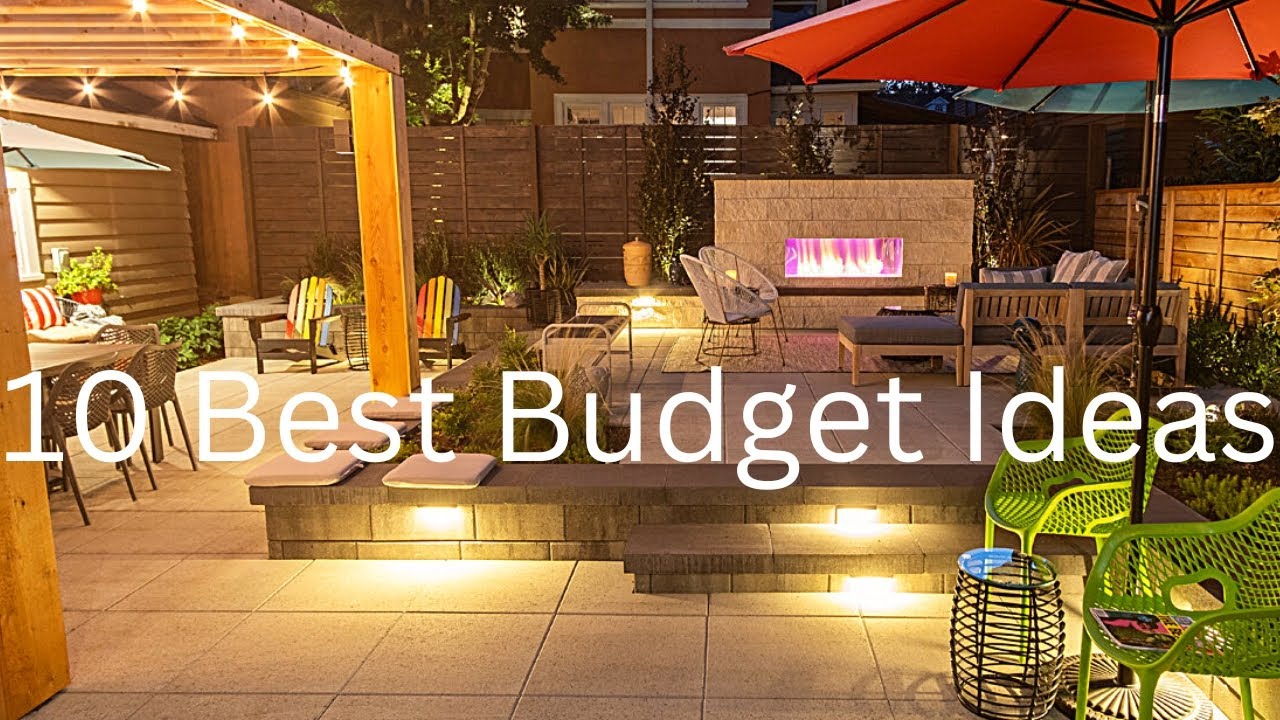
For numerous Pasadena patios, concrete pavers strike the balance: versatile styling, high resilience, and value that allows budget plan for lighting, planting, or that outdoor fireplace you have wanted because the very first cool October evening rolled in.
Design relocations that raise a patio
An effective patio installation hardly ever depends upon one huge gesture. It is a series of little, right decisions.
We start with function and circulation. Is this a two‑person coffee nook under the camphor tree, or a 350‑square‑foot dining balcony that seats ten with room for a grill cart? Furniture footprints, blood circulation courses, and view to the kitchen area door drive the shape. In Pasadena lots that taper or angle, gentle arcs can soften corners and conceal fence lines. In narrow side backyards, rectangle-shaped interlocking pavers set up in a running bond along the direction of travel make the area feel longer.
Borders matter. A contrasting border color or a double sailor course provides structure and keeps a big field from feeling like a parking area. We frequently inset a darker band where a future pergola post or outside kitchen island might go, a subtle method to prepare phases without demo.
Patterns do more than look excellent. Herringbone handles turning forces, which is why it stands out on driveways and tight sidewalks. Basketweave and running bond feel calmer underfoot on relaxing balconies. Staggered slab pavers set at 30 degrees to your house can correct an optical skew when a home sits off square to the lot.
For customers browsing "Ridgeling outdoor living garden pathway ideas," the very best concepts originate from the property itself. Repeating a house detail in the paver layout, like a window muntin ratio or rafter tail rhythm, merges hardscape and architecture. A simple example: a 2 by 3 repeating rectangular shape in the paver field echoes a Craftsman sash and looks deliberate without shouting for attention.
Drainage and base: the quiet work that decides everything
Most paver failures we repair in Pasadena trace back to faster ways in the base or water management. Clay soils here swell when wet and diminish when dry. If the base is thin or improperly compressed, the surface telegraphs that movement as dips and ridges.
For patio areas and sidewalks we typically excavate 7 to 9 inches from finished grade, then develop a base of 4 to 6 inches of Class II roadway base compressed to around 95 percent of modified Proctor density. On older lots with decayed granite already present, we might minimize imported base slightly but still compact in lifts no thicker than 2 to 3 inches. Bed linen sand goes on last at a true 1 inch, screeded flat, never utilized to correct big level modifications. Laying sand is not a cushion, it is a great modification layer.
Slope is non‑negotiable. We create difficult surface areas to fall at least 2 percent far from structures. Where patio areas tuck into inner yards, we incorporate channel drains pipes and permeable bands that vanish under furniture. Permeable interlocking pavers are a strong choice in sections of the garden where we wish to recharge soil wetness and reduce runoff. Their open‑graded bases accept water quickly, which matters on those February days when a storm can overwhelm older area drains.
Edge restraint keeps the field locked. Concrete toe‑kicks set below grade or engineered paver edge restraints staked into the base stop migration. In Pasadena's heat, polymeric sand baked into joints after plate compaction stays tighter if we mist gently and allow complete remedy time before traffic. Hurrying the wash‑in leaves soft joints that blow out under a leaf blower.
A field‑proven installation sequence
For property owners curious about the craft, here is the simplified, field‑tested order we follow as Ridgeline Outdoor Living paver installation experts. It is not an alternative to working with a seasoned paver contractor on complex sites, however it reveals what careful work looks like.
- Layout and excavation: Paint the footprint, pull elevations from a fixed standard, and dig to permit base, sand, and paver thickness, plus slope. Separate topsoil for reuse.
- Base building and construction: Place base aggregate in thin lifts, compact each pass with a plate compactor or roller until it sounds tight. Verify slope and elevations with a laser level.
- Borders and restraints: Set soldier or sailor borders initially or install hidden edge restraints. Check curves with a versatile type to avoid flat spots.
- Bedding and laying: Screed 1 inch of concrete sand or ASTM C33 bed linen sand. Place pavers tight to a string line, cut edges with a wet saw, and preserve pattern discipline.
- Lock in: Compact the field with a plate compactor plus a protective mat, sweep in polymeric sand, then mist in passes till the surface drinks no more. Protect from rain per product instructions.
That last note matters. Pasadena storms can turn polymeric sand into oatmeal if they hit before the item cures. We plan installs around the projection or camping tent the work if a surprise cell rolls in.
Interlocking efficiency, patterns, and thickness
Interlocking pavers do their finest work when pattern, thickness, and traffic type align. A 60 mm unit is sufficient for many patios and stone walkways, particularly when furniture and foot traffic are the only loads. For a motor court or where heavy delivery van turn, we bump to 80 mm and select herringbone or a 45‑degree running bond to manage lateral shear.
We typically hear issues about the slightly beveled edge on lots of concrete pavers. That chamfer protects the edges from chipping and reduces snow shoveling somewhere else, however here it merely softens the feel. If you prefer a crisper joint, we define micro‑chamfer or square‑edge pavers in a surface that will not show chips.
Efflorescence, the white flower triggered by salts, can appear on concrete and brick. It is cosmetic and typically fades as the pavers age and as rain washes the surface area. We select makers with controlled treating and excellent aggregate quality to decrease the odds. If it appears, a light acid wash with the ideal safety measures takes care of persistent patches.
Retaining walls that belong in the landscape
Hillside areas of Pasadena bring retaining walls into almost every task, whether to create a level patio pad or to terrace a garden. Our position is basic: the wall needs to look like it wants to be there.
Small garden edges under about two feet can frequently be handled with dry stack stone or modular block with a batter that matches the home's ambiance. Creative block retaining walls in Pasadena can have fun with texture, from split face to tumbled surfaces that read softer around older homes. For greater walls, particularly over three to 4 feet, engineering enters the photo. A retaining wall contractor in Pasadena must account for additional charge loads from nearby driveways or slopes, run appropriate drainage with perforated pipe and tidy gravel, and tie the wall back with geogrid at defined intervals.
Clients ask about stone retaining walls experts in Pasadena LA since natural stone blends so well with native plantings. We use local granitic and river stone where suitable, but we never avoid drain just because a wall looks rustic. Trapped water is what ultimately pointers even the prettiest wall. For retaining wall installation in Pasadena CA, permits and designs stamped by a structural engineer are often needed as soon as heights pass regional limits or when the wall supports a structure. We walk clients through that process to prevent surprises mid‑build.
Walkways that guide, not dictate
Good sidewalks modify how you move without shouting. A straight shot from the driveway to the front door feels right on a Georgian, while a winding path through a drought‑tolerant front garden fits a bungalow.
Stone walkways do romance much better than anything. Flagstone with planted joints of dymondia or thyme cools a backyard immediately. For customers who desire that look without the maintenance, we in some cases weave bands of natural stone into a field of concrete pavers. The spinal column manages traffic and stays low‑maintenance, the stone accents deliver warmth. If you looked for "Ridgeling outdoor living garden pathway ideas," think about blending widths. A 48‑inch primary path that necks to 36 inches as it turns gives a peaceful sense of discovery and saves money on product where full width is not needed.
Edge lighting, set low and protected, turns pathways into night assets. In Pasadena, we prefer warm color temperature levels around 2700 K to flatter stucco and wood tones.
Outdoor kitchen areas, fireplaces, and fire pits that fit our climate
Pasadena outdoor cooking area concepts need to keep heat and smoke under control. We set gas grills or frying pans near the edge of an outdoor patio, with a dominating breeze test on site so smoke does not roll back into French doors. A 6 to 12 inch counter overhang with proper ventilation grills keeps surface areas cool. We build cooking area islands on footings independent from the paver field, then wrap in stucco, stone, or brick that matches the home. Concrete pavers bring right approximately the toe, simple to tidy after a huge weekend cookout.
An outdoor fireplace turns our mild winters into a season. Masonry fireplaces require footing and draft math that numerous property owners ignore. If area is tight, a gas fire pit installation frequently makes more sense. It lights quickly, prevents ashes in a dry season, and shakes off the South Coast Air Quality Management District no‑burn days that can affect wood. We plan clearances from eaves and branches, and we set pits so wind does not push heat far from seating. Pavers around a fire feature ought to be ranked for the temperatures they will see, or we include a stone inlay for peace of mind.
Maintenance that respects materials
Concrete pavers ask for little. A broom and a mild wash a couple of times a year deal with dust and pollen. Sealing every two to three years assists with stain resistance, especially under cooking zones or near jacarandas that drop sticky blossoms. We avoid high‑gloss sealers on outdoor patios; a penetrating or low‑sheen item looks more like stone and less like a damp driveway.
Polymeric sand joints will last a number of seasons if you do not blast them with a pressure washer. When joints begin to thin or if ants discover a weak link, we scrape the top half inch, dry out the area, and top up with fresh sand on a still day. That hour or two saves days of weeding later.
Efflorescence reacts to patience and, if needed, a targeted cleaner. Rust discolorations from furniture vanish with a rust cleaner created for pavers. Oil spills from a dropped burger fade with a poultice or degreaser if treated quickly. The faster the reaction, the closer to unnoticeable it becomes.
Common pitfalls we repair once again and again
Several preventable mistakes keep us busy.
Skipping a drain plan is first. If downspouts dispose onto your new patio, joints will clog and moss will thrive in winter shade even in Pasadena. We connect downspouts to drains or rain gardens and offer the surface area a clear exit.
Letting the laying sand differ in density is second. Sand ought to not be used to level big deviations. The more depth you contribute to the sand, the more that section will settle.
Third is ignoring tree roots. Pasadena enjoys paver driveway Pasadena its trees, and roots will explore under a warm, wet patio area. We place root barriers where proper, bridge minor surface roots instead of shaving them, and leave gain access to points where we expect future heave so repair work do not scar the entire patio.
Finally, walls without weeps or back drains pipes ultimately leak or lean. On retaining walls we include cleanouts and plenty of free‑draining gravel. Even a short planter wall gain from a gravel backfill and a perforated pipeline to daylight.
Costs, timelines, and phasing like a pro
Numbers differ by website, but a well‑built concrete paver patio area in Pasadena generally runs more than a fundamental slab and less than premium dimensional stone. The majority of our paver patios land in the mid to upper range per square foot depending upon complexity, with driveways greater due to thicker base, thicker pavers, and more cutting. Retaining walls can swing from modest to major rapidly as height and engineering increase. Outside kitchen areas and fireplaces are multipliers, each element adding materials and trades.
Timelines depend upon weather and evaluations. A simple 350‑square‑foot outdoor patio with a small seat wall and a couple of actions frequently takes 1 to 2 weeks from groundbreak to sweep‑up. Add an allowed keeping wall or a gas fire pit and you are taking a look at numerous more weeks, part of that time awaiting approvals. We regularly stage projects: begin with the patio area and primary sidewalk, rough in avenues for future lighting and gas, then loop back for the outdoor fireplace or kitchen when spending plan and schedule open up.
What to anticipate when working with a patio contractor
A quality paver contractor should talk load, drainage, and patterns before anyone points out color blends. They should bring samples to your website, since pavers look various in afternoon sun under a live oak than under a showroom light. Expect a conversation about how you live: how often you amuse, whether grandkids ride scooters, if the dog loves to dig.
For retaining wall installation in Pasadena CA, the contractor ought to discuss soils, geogrid, and permits without being triggered. If your job sits within a historical district or near safeguarded trees, your group should plan access and defense steps up front. We have hauled base with smaller machines and even wheelbarrows to prevent compaction over vulnerable roots. It takes longer, but the tree is a lifelong possession and worth the care.
As Ridgeline Outdoor Living paver installation experts, we put equal weight on craft and stewardship. Sometimes that means recommending concrete pavers where a customer expected stone to manage spending plan for proper drain and lighting. Other times it indicates recommending brick pavers for a deck that asks for authenticity. The material serves the style, not the other method around.
A few site‑tested ideas you can steal
- Integrate a 12 to 18 inch decomposed granite or gravel border band between planting and outdoor patio. It catches mulch, decreases muddy footprints, and reads as a neat shadow line.
- Use a subtle color blend for the main field and a strong, darker border to hide dust and pollen on edges where brooms miss.
- Where shade continues, define a lightly textured surface that grips when wet. Smooth pavers look sleek in photos and slick in reality under camphors after a November drizzle.
- On longer walkways, break the run with a paver inlay square every 12 to 16 feet. It slows the eye, aids drain grading, and adds just enough personality.
- If you plan a pergola later, put footings before laying pavers and mark their centers with covert paver markers. You will thank yourself during phase two.
Bringing all of it together
A paver outdoor patio or sidewalk is not simply a surface. It is a living part of your home that sees family meals, peaceful mornings, and untidy projects. Concrete pavers offer Pasadena homeowners a strong, versatile canvas. Select patterns that fit the house, respect the slope and the soil, and let function drive detail. Generate a group that treats base work and edge restraint like the craft it is. If a hillside asks for a wall, construct one that drains and takes a look at ease in the garden. If you prepare outside, vent and shade the cooking area and choose finishes that clean up fast. If a fire function calls your name, set it in a way that the very first Santa Ana breeze does not chase you indoors.
Whether you desire a compact nook in the back of an Artisan, a clean-lined courtyard along with a mid‑century, or a family patio area with a gas fire pit and a modest outside cooking area, a thoughtful strategy and disciplined setup spend for themselves in reliability. Ridgeline Outdoor Living approaches patio area style in Pasadena as equal parts engineering and hospitality. Done right, you will stop considering the surface area underfoot and start delighting in everything it permits you to do.
Business Name: Ridgeline Outdoor Living
Address: 845 E Walnut St, Pasadena, CA 91101, United States
Phone: (626) 469-5822
Ridgeline Outdoor Living
Ridgeline Outdoor Living is a Pasadena-based landscape design-build company serving Greater Los Angeles with custom outdoor living, hardscape, and drought-tolerant landscape solutions. The company specializes in patios, retaining walls, outdoor kitchens, drainage, hillside projects, and turnkey landscape construction, handling projects from design and permitting through final build and warranty.
845 E Walnut St, Pasadena, CA 91101, USA
Business Hours:
- Monday – Saturday: 8:00 AM – 6:00 PM
- Sunday: Closed
Follow Us: