Yard Drainage Pasadena: Fixing Low Areas with Decorative Dry Riverbeds
Stormwater behaves like a cautious accounting professional. It keeps a running tally of slopes, soil types, compaction, and traffic jams, then deposits water where the math says it should. In lots of Pasadena backyards, that mathematics ends at a persistent low spot. You see the soaked lawn corner that never dries before baseball practice, or a mulch bed that floats after every atmospheric river occasion. The repair is not just moving water away. The repair is assisting it gracefully, letting it slow down, filter, and disappear without eroding your garden or your weekends.
A well developed dry riverbed fixes that issue, and when done right, it becomes the handsomest feature in the landscape. It can check out as a natural arroyo throughout storms and an elegant stone ribbon the remainder of the year. It works particularly well in Pasadena due to the fact that our soils and storm patterns reward options that both communicate and infiltrate water. If you pair the riverbed with ideal sized rock, intelligent grading, and dry spell tolerant planting, you get performance without the sump pump headaches. It is among those locations where function and garden design can be the same conversation.
Why low areas form here
Pasadena rests on alluvial fans and foothill soils that vary yard to yard. Some blocks have fast draining pipes sandy loam. Four doors down you hit heavier clay, or a compaction layer from previous building and construction. When a brand-new outdoor patio or paver driveway goes in without subgrade idea, it can inadvertently press runoff toward a fence line or your home. Fences, walls, and even artificial turf nails can disrupt natural sheet flow. In time, small depressions gather fines and lawn thatch, making a shallow bowl that saturates after even a modest quarter inch rain.
Rainfall overalls here typical approximately the high teenagers to low twenties in inches per year, with most of it arriving in winter. That does not seem like a drainage emergency situation up until a storm cell drops half an inch in an hour, or a two day system stacks up 2 to 4 inches. Lawns and compacted DG deal with the first twenty minutes, then the low spot gets up. You do not need a a century storm to develop a persistent puddle. Repeated one year occasions suffice to develop ruts and fungi, to undermine fence posts, and to stain the bottom course of a stucco wall.
What a dry riverbed really does
An ornamental dry riverbed is a shallow, stone lined channel that collects and moves water where you want it to go. It is not a French drain, which conceals perforated pipeline underground. It is not just quite rock spread in a swale. A good riverbed is a mini system that:
- Accepts overflow from roof downspouts, outdoor patio edges, yard edges, and upland slopes.
- Slows and spreads the flow with graded meanders and differed rock sizes.
- Promotes seepage into a gravel trench and the surrounding soil.
- Conveys overflow to a safe discharge point when storms exceed infiltration.
Under the cobbles and stones sit layers you do not see. Usually it is a geotextile separator on native soil, then a cleaned drain rock trench numerous inches to a foot or more deep, then a bed linen layer to lock the noticeable stone. Though it checks out natural, it is crafted landscape drain. In Pasadena backyards, that typically implies obstructing sheet circulation before it reaches a patio door or neighbor fence, then feeding it to the riverbed, which brings it toward a parkway, a sump basin, or a dispersed infiltration area under trees.
Reading the lawn before you dig
Paper plans help, however the most helpful tools are a contractor's level, a hose pipe, and persistence. After a storm, stroll the site and search for dirty circulation tracks, mulch deltas, and cloudy puddle edges. Those prints inform you where the primary tributaries enter your low area. Inspect adjacent elevations. If a backyard sits two inches greater than yours, water will cross at the fence low point. Find the hardscape peaks too. A paver outdoor patio in Pasadena should pitch at least 1 to 2 percent. If your paver specialist missed a corner, the riverbed can take pressure off by developing a relief course at the edge.
Take three measurements before design: depth of the low area at its inmost, the contributing area upslope in square feet, and the readily available fall from the low spot to your intended outlet. Even a 6 inch fall throughout 30 feet is useful if you use meanders and roughness to keep velocities in check. If the fall is less than three inches, the riverbed must focus on seepage and broad, shallow conveyance. If you have vigorous fall, you can afford steeper side slopes and tighter planting pockets that hold the stones in place.
Sizing the channel without overcomplicating it
You can fill a binder with hydrographs, or you can use an experienced guideline and then field confirm with a hose test. For a typical Pasadena backyard location of 800 to 2,000 square feet draining to one low spot, a stone lined channel 18 to 30 inches broad at the top, with a 6 to 12 inch deep gravel substrate, handles most winter season events. The exact depth depends upon soil percolation. If you dig a test hole and it drops 1 inch in 15 minutes, you have decent seepage. If it sticks around for hours, prepare for more conveyance and a positive outlet.
Rock size matters more than most people think. Small pea gravel migrates under flow and under feet. I choose a foundation of 3/4 inch to 1.5 inch washed drain rock below fabric, a bed linen of 3/8 inch to 3/4 inch angular stone, then a surface area mix of 3 to 5 inch cobbles with occasional 8 to 12 inch stones to develop eddies and visual rhythm. Angular stone interlocks and holds grade. Round river rock looks natural but requires careful nesting, or it will browse downstream during a two inch hour burst.
The appearance, the feel, and the rest of the garden
A dry riverbed is not a trench. It must read like a feature you indicated to develop. I like to begin broad at the inlet where outdoor patio runoff or roof water drops into the bed, then narrow and meander through the yard, then broaden once again near the outlet or seepage basin. That taper naturally slows water and pleases the eye. Differ the rock sizes the method a real arroyo does, with bigger boulders stagging the outside of curves and clusters creating eddies that spread flow.
Planting ties it into the garden. Native and climate adapted plants make good sense here. Deergrass, blue grama, dwarf rush, and Juncus develop a soft edge and capture fines so the channel remains clear. Penstemon and yarrow add color on the banks. California fescue and buckwheat do well on the greater shoulders. In shady Pasadena pockets, coral bells and Douglas iris can soften stone that might otherwise feel plain. Tuck plants into pockets in between stones so their crowns sit above the 2 year storm line. Drip lines can cross under the rock in protective sleeves.
If you favor xeriscape landscaping Pasadena, this riverbed can anchor a drought tolerant garden Pasadena homeowners will in fact utilize. The river theme plays well with decayed granite courses, corten actions, and natural wood. With an excellent garden design Pasadena clients wind up investing more time outside, even in winter, due to the fact that the backyard drains pipes and stays accessible.
Integrating hardscape so the system becomes invisible
The best drainage style disappears into backyard landscaping Pasadena areas. If a patio contractor Pasadena builds a new terrace, the surface grade need to carefully pitch towards the riverbed or to discreet slot drains pipes that feed it. In paver patio Pasadena work, a minor roll on the last paver course produces a clean handoff to a planting strip that spills into the rock. A hardscape builder Pasadena who believes in sections and spot elevations prevents the half inch lip that traps water at the edge. For hardscape design Pasadena projects, I like to rehearse path and seating positionings while the subgrade is still open, adjusting the riverbed alignment so it walks around living areas rather than through them.
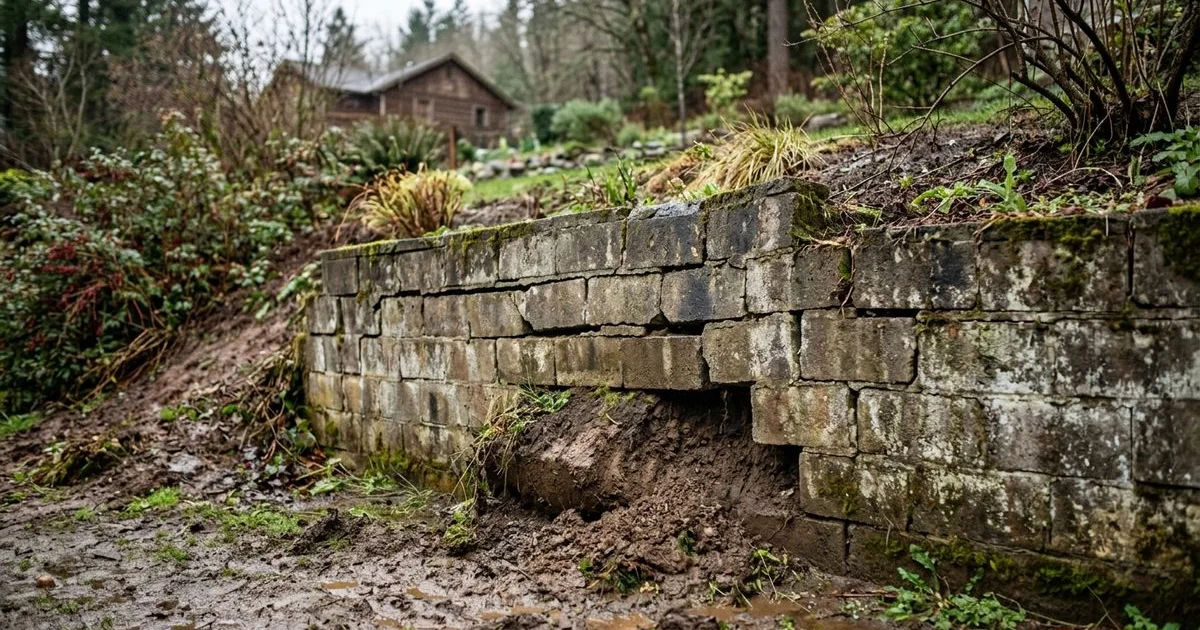
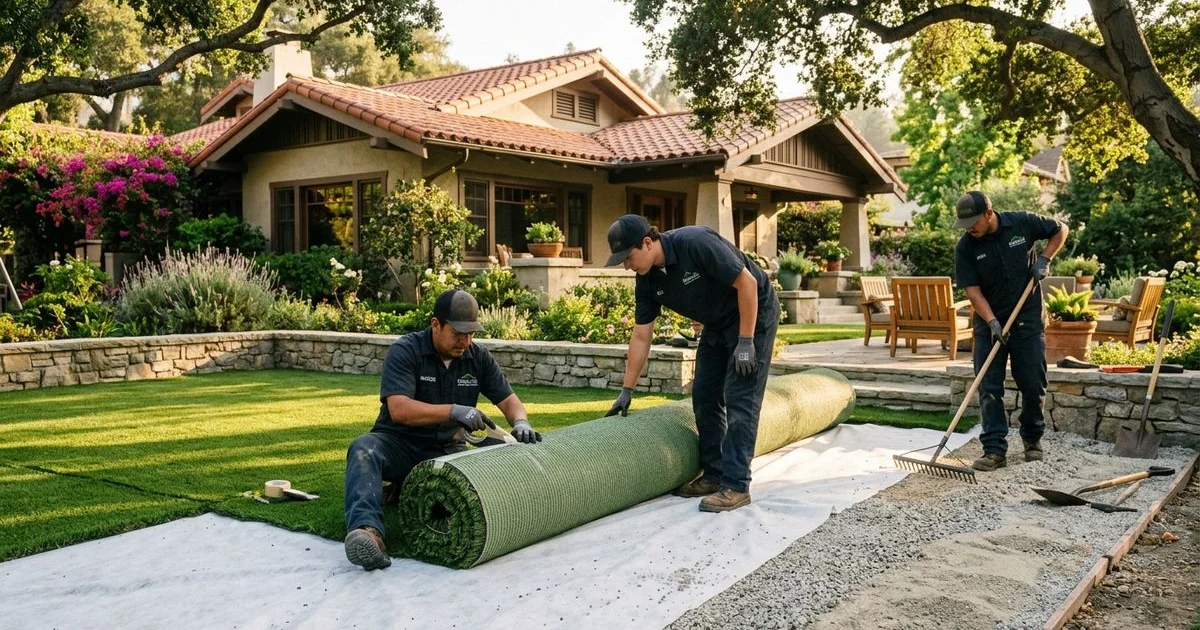
Retaining wall installation Pasadena frequently intersects this conversation. Walls can block historic sheet flow and push it into stair landings. Include a perforated drain behind the wall with daylight to the riverbed, and provide the wall face weeps at tactical periods. A retaining wall builder Pasadena with drain chops saves you from efflorescence and settled caps 2 winters later. Where grass satisfies the riverbed, particularly with artificial grass Pasadena or synthetic turf Pasadena, set a clean steel or stone edging so the base rock can not move. Good synthetic grass installation Pasadena teams usually invite the riverbed's edge because it provides a difficult recommendation and a place to conceal drain terminations.
Construction, from design to first storm
Here is a succinct sequence that holds up on genuine sites.
- Map inflows, elevations, and a safe outlet, then paint the meander on the ground with marking paint. Stake essential grade points and measure fall.
- Excavate a shallow swale and deeper central trench. Loosen compressed subgrade at the sides so water can permeate sideways over time.
- Lay a non woven geotextile over the subgrade, then place washed drain rock in the trench to the design depth. Compact gently to lock.
- Add a bed linen layer of smaller sized angular stone. Set boulders initially, then location surface cobbles, pinning them so absolutely nothing rolls under hand pressure.
- Connect inlets. Downspouts enter through splash stones or armored pipes. Test with a tube, adjust stones and grades, then plant and mulch the banks.
That tube test informs the fact. Run 5 to 10 gallons per minute at the inlet and watch how the water strolls. If it hugs one side, add a boulder to push it back. If fines gather at a joint, tighten up the material overlap. An excellent test takes 30 minutes and conserves 3 return trips.
Common errors that destroy great intentions
- Oversizing the rock consistently so water shoots in between cobbles and searches the bedding.
- Underestimating inflow from a neighbor upslope and structure no overflow path.
- Laying fabric above the bedding stone instead of below, which triggers slippage and stone surfing.
- Ending the riverbed at a fence without a plan for where the water goes next.
- Planting crowns too low so the very first big storm buries them in silt.
None of these are pricey to avoid. All of them are frustrating to fix when the plants are in.
When a dry riverbed is inadequate on its own
Some homes require a hybrid technique. If you have only 2 inches of fall in 60 feet, or if your percolation test reveals water standing overnight, include structure under the riverbed. A perforated pipeline wrapped in gravel and material can carry base streams to a sump or to the front parkway, depending on code and site conditions. Catch basins at patio low points help pick up the very first flush and kick it into the riverbed. In small courtyards, a grated trench drain can run as a hidden tributary under stepping stones. An experienced drainage contractor Pasadena will select the ideal mix after a site walk.
There are also cases where you must prevent infiltration. Near footings, within 5 feet of a slab on grade, or above a hillside where increased subsurface moisture could destabilize a slope, design for conveyance and safe discharge instead of soaking in location. That is where a hardscape company Pasadena that coordinates with an engineer pays off.
Tying the check out outdoor living
Outdoor living design Pasadena has actually grown past a grill island and a rectangle of yard. Riverbeds can specify areas, mark shifts in between dining and a fire discussion pit, and provide a little soundtrack during storms. If you are planning patio construction Pasadena with overhead structures, let the scuppers put into large splash stones that feed the bed. In outdoor home Pasadena gardens, consider a footbridge or cast in location stepping stones, set just high enough to remind you of water's presence without tripping feet on dry days.
For customers favoring luxury outdoor living Pasadena, the information carry the day. Choose a stone palette that echoes the San Gabriel foothills. Keep mortar out of sight. Utilize low wattage, protected path lights to graze the stone faces instead of highlight them. High-end landscape design Pasadena groups like Ridgeline Outdoor Living think in these terms, blending materials and grading so the river checks out quietly elegant, not theme park.
Planting scheme that works hard
Plants make their keep here. They support slopes, filter sediment, shade stones to decrease heat, and deliver seasonal interest. In a water sensible landscaping Pasadena technique, use deep rooted lawns and shrubs that can handle damp feet for a day but choose dry the rest of the year. Along the inner banks, I utilize Carex praegracilis, Muhlenbergia rigens, and dwarf Myrica. On the shoulders, Salvia clevelandii, Eriogonum, and manzanita ranges remain tidy and aromatic. For color punches, plant drifts of Penstemon Margarita BOP or Achillea Moonshine simply above the high water line. Area larger than you believe, then let them knit. Mulch with crushed gravel or carefully screened DG on the banks so rain does not drift it downstream.
Irrigation must appreciate the river logic. Leak laterals cross beneath in sleeved areas, then run parallel to the banks. Prevent spray heads that can drift little stones or splash dirt back into the channel. During the first year, water routinely to develop roots, then taper to month-to-month deep soaks in summer. After 2 seasons, many natives can ride out heat on twice month-to-month watering, which lines up with xeriscape landscaping Pasadena goals.
Maintenance that fits real life
A well constructed dry riverbed asks little. After storms, stroll it and sweep or hand choose leaves that accumulate behind stones. Once a year, flush the upper reaches with a hose pipe while scooping out accumulated fines near the inlet. If a cobble works loose, reset it with hand pressure and a couple of well positioned chips. Prune plantings to keep sight lines open. The heaviest maintenance moment arrives in fall if you have deciduous trees nearby. A basic leaf web extended across the upper channel throughout big drops keeps the stone visible and the flow course clear.
If you tie roof leaders into the system, check leaf screens at the downspouts before the very first climatic river of the season. A 10 minute lap around the backyard in October often avoids 2 hours of damp mayhem in January.
A Pasadena yard, before and after
One San Rafael job started with a north facing yard that caught water against a low stucco wall. The paver specialist had actually pitched the new terrace correctly, but the lawn sat an inch lower than the neighbor's. Every storm pushed water under the fence and into a 15 by 20 foot puddle. We mapped the flow, then traced a 28 inch broad riverbed along the base of a planting berm, feeding an infiltration basin under 3 Italian stone pines. The subgrade was silty clay, so we deepened the gravel trench to 14 inches and included a 4 inch perforated pipeline daylit to a discreet curb core in the front parkway for significant overflows.
We developed with a mix of 4 to 6 inch granite patches and a dozen 80 to 150 pound stones to hold the outside curves. The shoulders got deergrass and chalk dudleya, the greater bank got salvia and coffeeberry. 2 winter storms later on, the lawn stayed functional within an hour of peak rainfall. The property owners pointed out an unexpected benefit. The riverbed framed a brand-new seating nook that caught early morning sun, and the kids started organizing the smallest patches into forts between rains. That is the sort of outcome you desire from drainage work, real function that gently enhances day-to-day life.
Permits, neighbors, and the downstream story
Water does not appreciate fences, but your city and your next-door neighbors do. Directing water to the street through a curb core or parkway typically requires coordination and evaluation. Some Pasadena areas permit only dispersed discharge on website. Others desire pretreatment through seepage or bioswale elements. If you are preparing maintaining walls over a particular height or altering grades near property lines, talk early with your professional and examine regional rules. Good communication with the neighbor uphill and the next-door neighbor downhill is worth more than any stone you set. Settle on how fence line runoff will be handled, and ensure your outlet does not develop a brand-new low spot at the sidewalk.
Choosing the right partner
A task like this sits at the crossway of aesthetics, grading, and building functionality. You desire a group that has actually poured patios, set pavers, constructed walls, and solved drainage, not just one of the above. The very best landscape contractor Pasadena teams walk the site with a level, draw easy areas in the dirt, and speak clearly about trade offs. If you currently have a hardscape company Pasadena installing a balcony, invite them into the drainage discussion before base is compacted. If you are beginning fresh, search for a firm comfy with outdoor living design Pasadena and landscape drainage Pasadena so the elements coordinate.
Ridgeline Outdoor Living works in that overlap. As an outdoor living specialist Pasadena, we prepare for flow lines during outdoor patio design, we select edge details that deal with riverbeds, and we set planting so the system reads like a developed arroyo. Whether it is a paver contractor Pasadena team developing a new dining terrace or a retaining wall builder Pasadena stabilizing a slope, the drainage strategy ought to be baked into the very first site meeting, not the last punch list.
Cost, worth, and what to expect
Pricing differs with access, rock size, and the requirement for subsurface pipeline. For a little backyard with a 20 to 30 foot riverbed and modest excavation, you may see a number in the mid four figures. Larger tasks with numerous inlets, boulder work, and an engineered outlet can land higher. More crucial than the line item is the value throughout the backyard. A functional riverbed safeguards patios and structures, extends the life of hardscape installation Pasadena work, and cuts upkeep hours. It likewise raises the perceived quality of the garden. Buyers and visitors notice when a space handles rain without drama.
How this fits bigger design goals
Drainage is not a bolt on. It landscaping guidelines figures out how long pavers remain flat, how clean a stucco base remains, whether an outside cooking area smells like wet leaves in February, and how typically a synthetic grass field crushes underfoot. Constructed right, a dry riverbed threads all those details together. best landscapers in Pasadena It provides a spine in the garden, a stylish line that tells water where to go and lets you form spaces around it. That is why designers who concentrate on luxury outdoor living Pasadena keep coming back to it. It looks inevitable and it works.
If your lawn has a low spot that nags after every storm, do not reach for more soil and hope. Stroll the site, discover the flow, and give the water a path that makes your landscape better. With thoughtful grading, the ideal stone, and planting that belongs here, a decorative dry riverbed turns a problem into a signature feature.
Business Name: Ridgeline Outdoor Living
Address: 845 E Walnut St, Pasadena, CA 91101, United States
Phone: (626) 469-5822
Ridgeline Outdoor Living
Ridgeline Outdoor Living is a Pasadena-based landscape design-build company serving Greater Los Angeles with custom outdoor living, hardscape, and drought-tolerant landscape solutions. The company specializes in patios, retaining walls, outdoor kitchens, drainage, hillside projects, and turnkey landscape construction, handling projects from design and permitting through final build and warranty.
845 E Walnut St, Pasadena, CA 91101, USA
Business Hours:
- Monday – Saturday: 8:00 AM – 6:00 PM
- Sunday: Closed
Follow Us: